
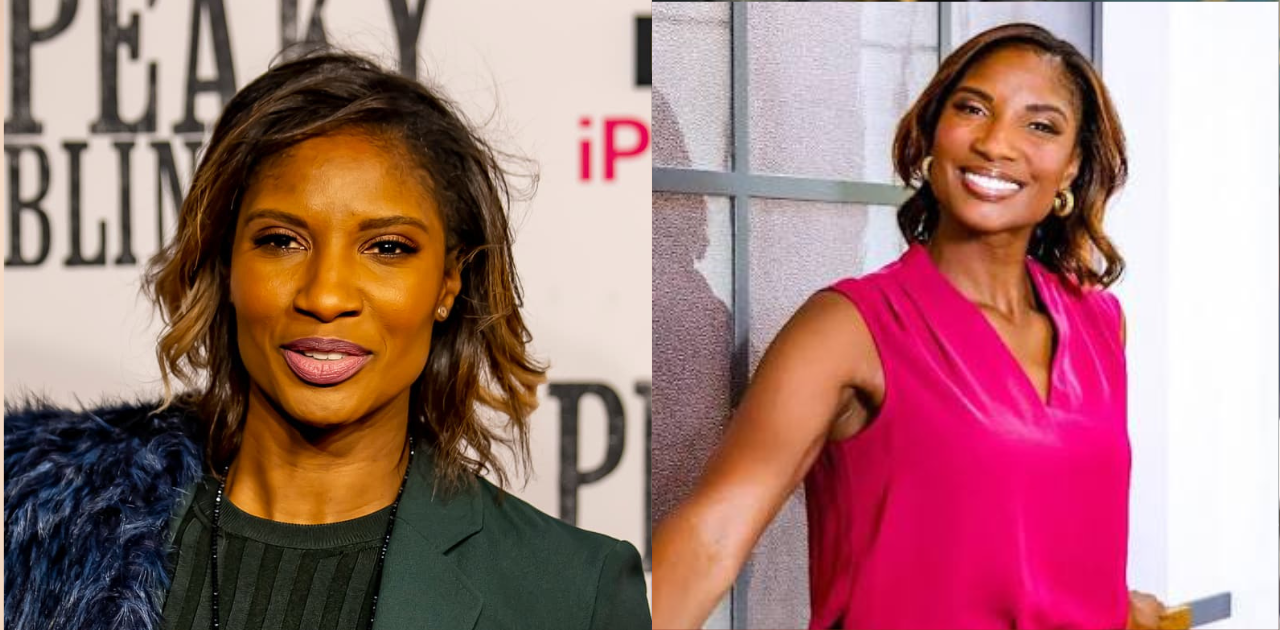

Denise Lewis is one of the most celebrated names in British athletics. Best known for winning the women’s heptathlon gold medal at the Sydney 2000 Olympic Games, she established herself as an exceptional athlete through determination, versatility and outstanding performances on the international stage. Her journey from a young sporting enthusiast in the West Midlands to an Olympic champion represents one of the most memorable stories in British sporting history.
However, her achievements extend far beyond winning an Olympic medal. Following her retirement from competitive athletics, she developed a successful career in television, became a familiar face on BBC Sport and took on important leadership responsibilities within British athletics. Her contributions have helped connect elite sport with younger generations, aspiring athletes and wider audiences.
Born on 27 August 1972 in West Bromwich, England, Lewis became one of the most successful British heptathletes of her generation. Her sporting achievements include Olympic gold and bronze medals, two Commonwealth Games gold medals, European Championship gold and two World Championship silver medals. She was also recognised for her contribution to sport through national honours, including her appointment as a Dame.
The story of Denise Lewis is particularly interesting because it combines sporting excellence with professional reinvention. Many athletes struggle to find a new direction after retiring from competition, but she successfully moved into broadcasting, public speaking, sports administration and mentoring. Her experience demonstrates how the discipline developed through elite athletics can create opportunities in other professional environments.
From her early years in Wolverhampton to her historic victory in Sydney and subsequent leadership roles, her career offers valuable lessons about resilience, ambition and the importance of supporting future generations of athletes.

Who Is Denise Lewis?
Denise Lewis https://www.google.com/search?sca_esv=f0ad64fcc536899c&sxsrf is a British former track and field athlete, Olympic heptathlon champion, television presenter and sports administrator. She became internationally famous after winning the heptathlon at the 2000 Sydney Olympics, making history as the first British athlete to win Olympic gold in the women’s heptathlon.
Her sporting reputation was built on her ability to compete across seven different athletic disciplines. Unlike specialist sprinters, jumpers or throwers, heptathletes must demonstrate a broad range of physical abilities, including speed, strength, endurance, coordination and technical skill.
Lewis competed internationally for Great Britain and represented England at the Commonwealth Games. Throughout her career, she consistently performed at major championships, collecting medals against some of the strongest multi-event athletes in the world.
According to World Athletics, her personal best in the heptathlon is 6,831 points, achieved in July 2000. This performance established her as one of Britain’s leading athletes in the discipline.
Her achievements were recognised through several honours and professional appointments. She received an MBE and OBE before later being awarded a damehood. She also served as president of Commonwealth Games England and became president of UK Athletics in December 2023.
Beyond medals and titles, her contribution lies in helping make athletics more accessible and inspiring people to participate in sport. Her transition into broadcasting and sports leadership has allowed her to remain influential long after leaving competitive athletics.

Early Life and Childhood in West Bromwich
Denise Lewis was born on 27 August 1972 in West Bromwich, in the West Midlands of England. She grew up in Wolverhampton, where her interest in sport began during her childhood.
Her early upbringing played an important role in developing the determination that would later define her athletic career. She was raised by her mother, and her journey into professional sport began through school athletics and local sporting opportunities.
Rather than entering the international athletics scene immediately, Lewis developed her abilities through regular training and competition. Her early experiences helped her discover that she enjoyed running, jumping and testing her physical abilities.
In a 2025 interview with England Athletics, she reflected on the enjoyment she experienced as a child:
“I just loved the feeling of running and that sense of freedom that you get.”
This observation provides an interesting insight into her relationship with athletics. For her, sport initially represented enjoyment and freedom rather than medals, records or international recognition.
She attended local schools and became involved with athletics clubs, where her natural abilities could be developed through structured coaching. Joining a club was an important step because it introduced her to organised competition and the technical demands of track and field.
Her early development eventually led her towards the heptathlon, a discipline that suited her combination of speed, jumping ability and throwing skills. She first competed in the event in 1989, beginning a sporting journey that would eventually take her to three Olympic Games.

Understanding Denise Lewis’s Heptathlon Career
The heptathlon is one of the most demanding events in athletics because competitors must complete seven disciplines over two days. Each event tests a different physical quality, meaning athletes cannot depend on a single outstanding skill to achieve a competitive overall score.
The women’s heptathlon includes the 100-metre hurdles, high jump, shot put, 200-metre sprint, long jump, javelin throw and 800-metre run. Athletes receive points based on their performances in each discipline, and the competitor with the highest combined score wins.
This format requires careful preparation. An athlete may be exceptionally fast but struggle in the throwing events. Another competitor might possess excellent jumping ability but lose valuable points during the 800 metres.
Lewis became successful because she developed the versatility required to remain competitive across all seven events.
| Heptathlon event | Main physical requirement |
|---|---|
| 100m hurdles | Speed, rhythm and coordination |
| High jump | Explosive power and technique |
| Shot put | Strength and throwing technique |
| 200m sprint | Acceleration and speed endurance |
| Long jump | Sprinting speed and explosive jumping |
| Javelin throw | Strength, coordination and accuracy |
| 800m run | Endurance and race management |
The combination of these disciplines makes the heptathlon particularly challenging. Athletes must also manage fatigue because performances in one event can influence their physical condition in subsequent competitions.
Lewis’s ability to handle these demands was central to her success. Her performances demonstrated that becoming an elite multi-event athlete requires much more than natural talent. It demands years of technical training, strategic preparation, mental resilience and physical recovery.
The Breakthrough at the 1994 Commonwealth Games
One of the most important early milestones in Lewis’s career came at the 1994 Commonwealth Games in Victoria, Canada.
At just 21 years old, she won the heptathlon gold medal with a score of 6,325 points. The victory was a major breakthrough because it established her as a serious international competitor.
Her performance attracted attention because she defeated established athletes and demonstrated that she could handle the pressure of a major championship.
Winning a Commonwealth Games title also provided valuable experience ahead of future international competitions. Multi-event athletes must maintain concentration over two demanding days, and the ability to perform consistently under pressure is essential.
The victory helped transform Lewis from a promising British athlete into a recognised name in international heptathlon.
Four years later, she returned to the Commonwealth Games in Kuala Lumpur and successfully defended her title. Her second gold medal, achieved with a score of 6,513 points, confirmed her position among the leading athletes in the discipline.
These victories were important stepping stones towards her Olympic ambitions and established the competitive confidence she would need at the highest level.
Denise Lewis at the 1996 Atlanta Olympics
The 1996 Atlanta Olympic Games marked Lewis’s first appearance at an Olympics. Competing against the world’s best heptathletes was a significant challenge, but she produced an outstanding performance to win the bronze medal.
Her success was particularly impressive because she recovered from a difficult beginning to remain competitive throughout the seven events.
The final stages of the competition were extremely close. Lewis secured bronze by just five points, demonstrating how small differences in performance can determine Olympic medals.
Her achievement was also significant for British women’s athletics. She became the only British woman to win an athletics medal at the Atlanta Games.
The bronze medal established her as a genuine Olympic contender and provided experience that would become invaluable four years later.
However, Atlanta was not simply a story of success. It also demonstrated the importance of consistency and mental strength in multi-event competition. Athletes must recover from disappointing performances without allowing one event to damage the rest of their competition.
Lewis’s ability to remain focused became one of the defining characteristics of her career.
The experience also increased expectations surrounding her future performances. By the time she approached the Sydney Olympics, she was no longer an emerging athlete but an established championship competitor with experience of winning major international medals.
World Championship and European Championship Success
Between the Atlanta and Sydney Olympics, Lewis continued to establish herself among the world’s leading heptathletes.
At the 1997 World Championships in Athens, she won the silver medal. This result demonstrated her ability to compete successfully against the strongest international opposition.
She repeated the achievement at the 1999 World Championships in Seville, winning another silver medal. Two consecutive World Championship podium finishes confirmed her consistency at the highest level.
The 1998 season was particularly successful. Lewis won the European Championship heptathlon title in Budapest, adding another major achievement to her growing collection of medals.
These performances were important because they demonstrated that her Atlanta bronze was not an isolated achievement. She had developed into a consistent championship athlete capable of challenging for gold.
Her success also strengthened Britain’s reputation in women’s multi-event athletics.
By the end of the 1990s, Lewis had established an impressive collection of international honours. She had Commonwealth gold medals, a European title and World Championship silver medals.
The remaining major achievement was Olympic gold, and she would soon have an opportunity to compete for it in Sydney.
The Historic Sydney 2000 Olympic Gold Medal
The most important moment in https://celebrityfocus.co.uk/‘s career came at the Sydney 2000 Olympic Games.
Competing in the women’s heptathlon, she faced a demanding field of international athletes. Her preparations had been affected by injuries, making the competition even more challenging.
Despite these difficulties, she delivered an outstanding performance across the seven disciplines.
The competition developed into a dramatic battle, with Lewis producing particularly important performances in the later events. Her javelin throw helped strengthen her position before the final 800-metre race.
The 800 metres was especially demanding because the heptathlon had already required two days of intense physical effort. Lewis completed the race despite significant physical discomfort, demonstrating exceptional determination.
On 24 September 2000, she secured Olympic gold with a score of 6,584 points.
The victory made her the first British Olympic heptathlon champion and one of the most recognisable figures in British athletics.
It was also a landmark moment for European women’s multi-event athletics. Her victory showed that a British athlete could reach the highest level in a discipline traditionally dominated by leading international competitors.
Her achievement was not simply about collecting another medal. It represented years of preparation, international experience and perseverance through injury.
The Sydney victory remains the defining moment of her sporting legacy and one of the most memorable performances in British Olympic history.
Continued Work, Injuries and the 2004 Athens Olympics
Following her Olympic success, Lewis continued to compete internationally, although injuries increasingly affected her ability to prepare and perform consistently.
Athletics places enormous demands on the body, especially in a discipline involving seven different events. Heptathletes must repeatedly sprint, jump, throw and run long distances, making injury management an essential part of their careers.
Lewis returned to major championship competition and competed at the 2003 World Championships, where she finished fifth.
Her next Olympic appearance came at the 2004 Athens Games. Unfortunately, injuries affected her participation, and she withdrew from the heptathlon before completing all seven events.
For an athlete who had reached the highest point of her career in Sydney, this was a difficult experience.
However, her sporting legacy was already firmly established. She had won Olympic gold and bronze, two Commonwealth titles, a European Championship and two World Championship silver medals.
Her career demonstrates an important reality of elite sport: even the most successful athletes cannot always control injuries or the physical limitations that develop after years of demanding competition.
Lewis eventually retired from competitive athletics in 2005, bringing an extraordinary chapter of British sporting history to a close.
Denise Lewis’s Retirement and Transition into Television
Retiring from professional athletics can be challenging because elite competitors often spend most of their lives working towards sporting goals. Once competition ends, they must identify new ways to use their experience, knowledge and public profile.
Lewis approached this transition successfully by developing a career in television and sports broadcasting.
She became a familiar face on BBC Sport, working as an athletics pundit and offering expert analysis during major international competitions. Her experience as an Olympic champion gave her a valuable understanding of the physical, technical and psychological demands of elite sport.
Unlike commentators who approach athletics primarily from a journalistic perspective, Lewis could explain performances through her own experience of competing at the highest level. She understood the pressure of championship events, the importance of preparation and the difficulty of managing injuries.
Her broadcasting career included coverage of the London 2012, Rio 2016, Tokyo 2020 and Paris 2024 Olympic Games.
She also presented and appeared in several entertainment and factual television programmes. Her television work included Strictly Come Dancing, Right on the Money and Secret Britain.
This transition allowed her to remain connected to athletics while developing a separate professional identity. It also helped introduce her to audiences who may not have followed her competitive career.
Following the Paris 2024 Olympics, Lewis stepped away from her long-running BBC athletics pundit role to concentrate on other responsibilities, particularly her work in athletics leadership.
Strictly Come Dancing and Other Television Appearances
One of the most memorable entertainment appearances in Lewis’s post-athletics career came in 2004, when she participated in BBC’s Strictly Come Dancing.
The programme brought together celebrities and professional dancers, challenging participants to learn ballroom and Latin dance routines.
For Lewis, the experience was different from the familiar environment of competitive athletics. Although she was accustomed to physical training and public performances, dancing required new technical skills, rhythm and coordination.
She reached the final and finished as runner-up, demonstrating that her ability to learn unfamiliar physical disciplines extended beyond athletics.
Her appearance helped introduce her personality to a wider television audience. Viewers could see a different side of the Olympic champion, away from competition tracks and medal ceremonies.
She subsequently appeared in other entertainment programmes, including The Cube, All Star Family Fortunes and The Masked Dancer.
These appearances demonstrated her versatility as a television personality. They also provided opportunities to discuss sport, personal development and the importance of maintaining an active lifestyle.
Denise Lewis as President of UK Athletics
<AsyncImage query=”Dame Denise Lewis UK Athletics president official portrait athletics event” aspectRatio=”16:9″/>
One of the most significant developments in her career after retirement was her appointment as president of UK Athletics in December 2023.
UK Athletics is the national governing body responsible for overseeing the sport in Britain. Its responsibilities include supporting elite athletes, developing competition structures, promoting participation and contributing to the long-term development of athletics.
Lewis’s appointment was important because she brought extensive experience of international competition to the organisation’s leadership.
Having competed in three Olympic Games and won medals at major championships, she understood the practical realities facing athletes. She had experienced the benefits of effective coaching and preparation, as well as the difficulties associated with injuries and the pressure of international competition.
This experience gives her a valuable perspective when discussing athlete development and the future of British athletics.
Her role also involves supporting the wider sporting community, rather than focusing exclusively on elite competitors. Grassroots athletics, club participation, coaching and opportunities for young people are all important parts of the sport’s development.
The appointment reflects a broader principle in sports administration: successful athletes can use their experience to contribute to the organisations responsible for shaping the next generation.
Leadership at Commonwealth Games England
Lewis has also played an important role within Commonwealth Games England, where she served as president.
The organisation represents England at the Commonwealth Games and supports the country’s participation in the international sporting event.
Her involvement was particularly meaningful because the Commonwealth Games had played an important role in her own development as an athlete.
Winning the heptathlon at the 1994 and 1998 Commonwealth Games helped establish her international reputation. She understood how important the competition could be for athletes seeking experience and recognition before major global championships.
As president, she was associated with efforts to support athletes and promote opportunities throughout English sport.
Her leadership experience also demonstrates how her professional interests expanded after retirement. Rather than simply appearing at sporting events as a former champion, she became involved in the wider administration and development of athletics.
Her work in these organisations has helped maintain her influence within British sport.
Denise Lewis’s Awards, Honours and Achievements
<AsyncImage query=”Dame Denise Lewis Olympic gold medal Sydney 2000 medal ceremony” aspectRatio=”16:9″/>
Lewis has received numerous awards and honours throughout her career, reflecting both her sporting excellence and wider contribution to society.
Her Olympic gold medal remains her most celebrated achievement, but her other international successes demonstrate the consistency of her performances.
The following table summarises some of her most important accomplishments.
| Year | Achievement | Significance |
|---|---|---|
| 1994 | Commonwealth Games gold | First major international breakthrough |
| 1996 | Olympic bronze | First Olympic medal |
| 1997 | World Championship silver | Established international consistency |
| 1998 | European Championship gold | Became European champion |
| 1998 | Commonwealth Games gold | Successfully defended her title |
| 1999 | World Championship silver | Second consecutive world silver |
| 2000 | Olympic gold | Historic Sydney victory |
| 2000 | MBE | Recognition for sporting achievements |
| 2011 | UK Athletics Hall of Fame | Recognition of her athletics legacy |
| 2023 | DBE | National honour recognising services to sport |
Her national honours reflect the importance of her contribution to British athletics. She was appointed an MBE and OBE before receiving a damehood in the New Year Honours associated with 2024.
She was also twice runner-up in the BBC Sports Personality of the Year competition, in 1998 and 2000.
These recognitions demonstrate that her influence extends beyond a single Olympic performance. Her achievements helped raise the profile of women’s multi-event athletics and encouraged greater interest in the sport.
Denise Lewis’s Personal Life, Husband and Children
Away from athletics and television, Lewis has built a family life that she generally keeps relatively private.
She is married to music industry professional Steve Finan. The couple have children together, and Lewis has four children in total.
Her family life has been an important part of her journey, particularly as she moved from the demands of professional competition into broadcasting and sports administration.
Balancing family responsibilities with a career in elite sport can be difficult. International competitions require extensive travel, demanding training schedules and long periods away from home.
The same challenges can continue in broadcasting and sports leadership, where major sporting events and professional commitments often require travel.
Lewis has spoken about her experiences of balancing motherhood with her professional responsibilities. Her perspective is valuable because it highlights the realities faced by athletes and working parents who must manage different responsibilities.
Her personal life also provides another dimension to her public identity. Although many people recognise her primarily as an Olympic champion, she has developed a career and family life beyond the athletics track.
Denise Lewis’s Influence on Women in Sport
Lewis has become an important figure in discussions about women’s participation and representation in athletics.
Her success at the 2000 Olympics helped demonstrate the international potential of British women in multi-event athletics. Her achievements also contributed to a sporting environment in which younger athletes could see a clear pathway towards elite competition.
British heptathlon subsequently produced other internationally successful athletes, including Jessica Ennis-Hill and Katarina Johnson-Thompson.
These athletes developed their own achievements and identities, but Lewis’s Olympic victory remains an important part of the history of British women’s heptathlon.
Her broadcasting work also helped provide expert female representation in sports coverage. Having a former Olympic champion explain the technical and strategic aspects of athletics gives viewers a more detailed understanding of the competition.
Beyond television, her involvement in sports administration creates opportunities to influence the wider environment in which athletes train and compete.
This contribution matters because sporting success depends on more than individual talent. It also requires accessible facilities, qualified coaches, effective support systems and opportunities for young people to develop their abilities.
Lewis’s influence is therefore not limited to her own medal collection. Her work has helped strengthen the visibility and development of athletics in Britain.
Denise Lewis’s Book and Life Lessons Beyond Athletics
Lewis has also explored how lessons from elite competition can be applied to everyday life and professional development.
Her 2025 book, Adaptability, reflects on the importance of adjusting to change, responding to challenges and maintaining performance when circumstances become difficult.
The concept is closely connected to her experience as a heptathlete. Competing across seven different events requires athletes to adapt constantly.
A poor performance in one discipline cannot be allowed to destroy concentration in the next. An injury may require adjustments to training, while changing weather conditions can influence how an athlete approaches a competition.
These experiences provide useful comparisons with everyday situations. People working in business, education and other professional environments also encounter unexpected challenges that require flexibility.
The lessons associated with her career include:
- Resilience: Recovering from disappointing results and difficult circumstances.
- Adaptability: Adjusting strategies when original plans become unrealistic.
- Preparation: Building skills and confidence through consistent practice.
- Focus: Concentrating on the next task instead of becoming distracted by previous mistakes.
- Teamwork: Recognising the importance of coaches, colleagues and support networks.
Her story demonstrates that the principles of elite sport can be relevant outside the stadium. Discipline, preparation and the ability to respond positively to change are valuable qualities in almost every professional environment.
Denise Lewis’s Legacy in British Athletics
The legacy of Lewis is closely connected to her historic Olympic achievement, but it would be incomplete to focus only on her gold medal.
She helped establish a new standard for British women’s heptathlon and demonstrated that athletes from Britain could compete successfully against the world’s strongest multi-event performers.
Her international medals, championship consistency and performances under difficult conditions made her one of the most respected athletes of her generation.
The significance of her career can also be seen in the athletes who followed. British multi-event athletics has continued to produce major international champions, creating a sporting tradition that younger competitors can build upon.
Her work in broadcasting allowed her to share the technical knowledge gained during her competitive career. Her leadership appointments have provided another opportunity to support athletics at an organisational level.
This combination of achievement and service is what makes her sporting legacy particularly meaningful.
Rather than ending her involvement with athletics after retirement, she found new ways to contribute to the sport and its future.
Frequently Asked Questions About Denise Lewis
When was Denise Lewis born?
Denise Lewis was born on 27 August 1972 in West Bromwich, England. She grew up in Wolverhampton in the West Midlands, where she developed an interest in athletics during her childhood. Her early involvement in school sport and local athletics clubs eventually led her towards the heptathlon and an outstanding international career.
Did Denise Lewis win an Olympic gold medal?
Yes. Lewis won the women’s heptathlon gold medal at the Sydney 2000 Olympic Games. She scored 6,584 points to become the first British Olympic heptathlon champion. She had previously won bronze at the Atlanta 1996 Olympics, making her one of Britain’s most successful multi-event athletes.
How many Olympic medals did Denise Lewis win?
Lewis won two Olympic medals during her competitive career. Her first was a bronze medal at the 1996 Atlanta Olympics, followed by historic gold at the 2000 Sydney Olympics. She also competed at the Athens 2004 Olympics but withdrew before completing the heptathlon because of injury.
What is Denise Lewis famous for?
She is best known for winning Olympic heptathlon gold in Sydney in 2000. She is also recognised for her two Commonwealth Games titles, European Championship gold medal and two World Championship silver medals. After retiring, she developed a successful broadcasting career and became president of UK Athletics.
Is Denise Lewis married?
Yes. Denise Lewis is married to Steve Finan, who works in the music industry. They have two children together, and Lewis also has a daughter from an earlier relationship. She has four children in total and generally maintains a private family life.
How many children does Denise Lewis have?
Denise Lewis has four children. She has generally kept details about her children and family life away from excessive media attention while balancing her responsibilities as a mother with her professional career in athletics, television and sports administration.
What is Denise Lewis’s personal best in the heptathlon?
Her heptathlon personal best is 6,831 points, achieved in 2000. This outstanding performance demonstrated her ability across all seven disciplines and established her as one of Britain’s leading multi-event athletes. The score remains an important part of her sporting record.
What happened to Denise Lewis after retirement?
After retiring from competitive athletics in 2005, Lewis moved into television presenting, sports broadcasting and administration. She became a familiar athletics pundit on BBC Sport, appeared on entertainment programmes such as Strictly Come Dancing and later took on leadership responsibilities with Commonwealth Games England and UK Athletics.
Is Denise Lewis a Dame?
Yes. Denise Lewis was appointed a Dame Commander of the Order of the British Empire in the New Year Honours associated with 2024. The honour recognised her contribution to sport and her work supporting athletics. She had previously received an MBE and OBE.
Did Denise Lewis work for the BBC?
Yes. She spent many years working with BBC Sport as an athletics pundit and presenter. She provided expert analysis during several major international competitions, including four Olympic Games from London 2012 through Paris 2024. She stepped away from her BBC athletics pundit role following the Paris Olympics.
Conclusion
Denise Lewis has built an extraordinary legacy through sporting achievement, professional reinvention and continued service to British athletics. Her historic victory at the Sydney 2000 Olympics remains one of the defining moments in the country’s sporting history, but her career includes far more than a single gold medal.
From her early days in Wolverhampton to becoming a Commonwealth champion, European title winner and Olympic medallist, she consistently demonstrated the determination required to succeed at the highest level. Her ability to overcome injuries and remain competitive against international opposition made her an outstanding example of resilience and versatility.
Her achievements after retirement are equally important. Through television broadcasting, public appearances, sports administration and leadership, she has continued to contribute to the development and visibility of athletics. Her work with UK Athletics and Commonwealth Games England reflects her commitment to creating opportunities for future generations.
Ultimately, Denise Lewis represents more than Olympic success. Her journey shows how dedication, adaptability and a willingness to embrace new challenges can create a lasting impact. Her influence continues to reach beyond the athletics track, making her one of the most respected and inspirational figures in British sport.
Sources for factual verification: Team GB – Denise Lewis profile · World Athletics – Athlete profile and records · England Athletics – Interview, February 2025 · BBC Sport – UK Athletics presidency · World Athletics – Sydney 2000 Olympic victory