


Who Is James Fishback?
James Fishback https://www.google.com/search?sca_esv=d4c7325171e763c8&sxsrfis an American investor, political activist, and Republican political figure who gained national attention through his involvement in financial markets, conservative advocacy, and public debates about immigration, economic policy, and the direction of the Republican Party. He became particularly visible in 2025 through his association with the Department of Government Efficiency (DOGE) movement and his public efforts to influence the Trump administration’s economic agenda. ABC News+1
Born and raised in Florida, Fishback developed an interest in economics, public speaking, and political debate before building a career in investment management. His professional background includes work at Greenlight Capital, an investment management firm founded by David Einhorn, and the establishment of his own financial business, Azoria Partners. He also founded Incubate Debate, an educational nonprofit focused on competitive debating for students.
His public profile combines several distinct areas: financial entrepreneurship, educational advocacy, conservative political commentary, and electoral politics. This combination has made him a recognizable figure among some younger conservative audiences while also attracting criticism from political opponents, journalists, and commentators who have questioned his rhetoric and policy positions.
Understanding James Fishback requires examining not only his political ambitions but also the professional experiences, personal background, and public controversies that shaped his rise.
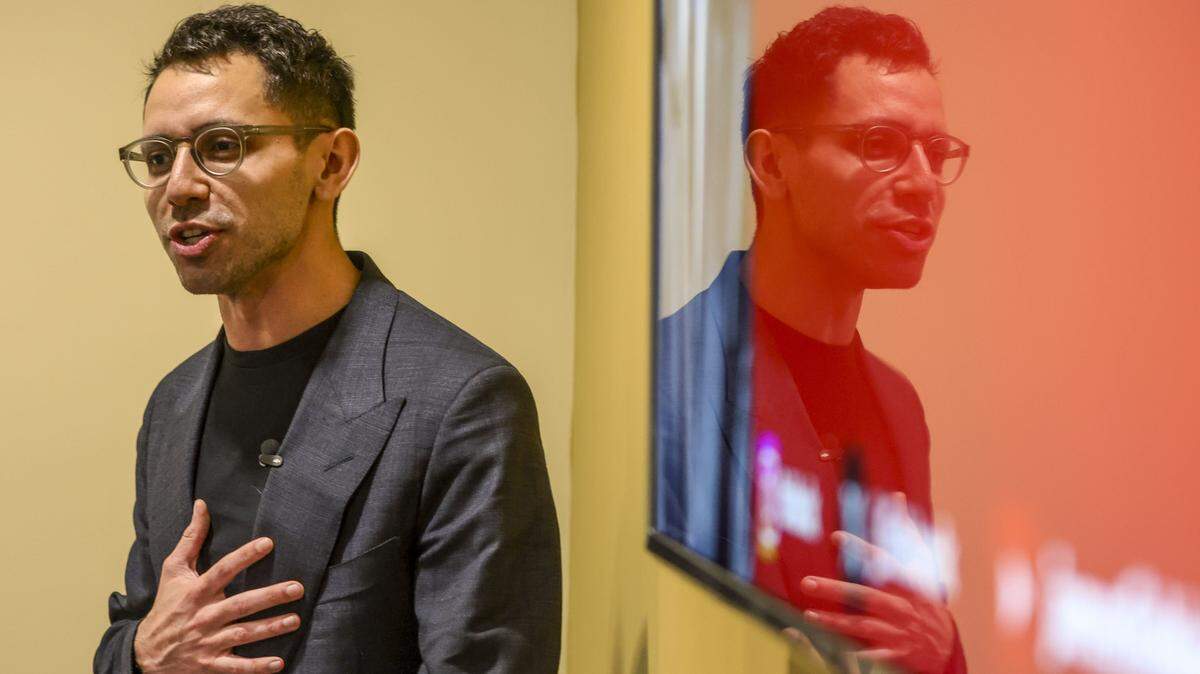
James Fishback Biography at a Glance
The following table provides a concise overview of the principal biographical details associated with Fishback’s public career.
| Category | Details |
|---|---|
| Full name | James Thomas Fishback |
| Birthplace | Davie, Florida, United States |
| Nationality | American |
| Political affiliation | Republican |
| Profession | Investor, entrepreneur, political activist |
| Education | Georgetown University, Walsh School of Foreign Service |
| Field of study | International economics |
| Financial company | Azoria Partners |
| Previous employer | Greenlight Capital |
| Educational initiative | Incubate Debate |
| Political movement | America First conservatism |
| Major public attention | DOGE-related advocacy and Florida gubernatorial campaign |
| Known policy interests | Immigration, economic affordability, financial markets, education |
These details provide a starting point for understanding his background, although individual biographical claims should be considered alongside reliable reporting and primary sources. His political campaign materials, for example, provide information about his stated priorities, while independent journalism offers additional context about his career and public controversies. Fishback for Governor+2

Early Life and Family Background
https://celebrityfocus.co.uk/ grew up in Broward County, Florida, in a family whose economic experiences influenced his later public messaging. His mother immigrated to the United States from Colombia, while his father operated a tree-trimming or landscaping business before working as a bus driver. Fishback has described his childhood as a period marked by financial difficulties, including a time when his family relied on food assistance. Fishback for Governor+1
This background has become an important part of his political identity. In discussing economic issues, Fishback frequently presents himself as someone who understands the pressures facing working families, particularly the rising costs of housing, everyday expenses, and the difficulty of building financial stability.
His upbringing also helps explain why affordability became a central theme in his political messaging. For many Florida residents, housing costs, insurance premiums, property taxes, and the increasing expense of living in desirable communities are significant concerns. Fishback has used these issues to position himself as an advocate for residents who feel that economic growth has not necessarily improved their personal financial circumstances.
However, personal background alone does not establish the effectiveness of a politician’s proposed solutions. A complete assessment requires examining whether the policies he advocates are practical, financially sustainable, and capable of producing measurable improvements.

Education and Georgetown University
Fishback studied international economics at Georgetown University’s Walsh School of Foreign Service in Washington, D.C. The university is known for its focus on international affairs, economics, diplomacy, and public policy, making it a relevant academic environment for someone interested in financial markets and government decision-making. Fishback for Governor+1
His studies provided exposure to economic theory, international trade, financial systems, and the relationship between governments and markets. These subjects are particularly relevant to investment management, where decisions often depend on interest rates, inflation, global economic conditions, and political developments.
Fishback did not complete his Georgetown degree, according to published biographical reporting. Instead, he left university before graduating and pursued a professional career in finance. The Times of India+1
His educational experience illustrates an important distinction between formal academic qualifications and professional experience. A university degree can provide theoretical knowledge and structured learning, while investment management requires practical judgment, risk assessment, and an understanding of how financial markets respond to changing conditions.
For readers researching James Fishback, it is important to distinguish his attendance at Georgetown from claims that he graduated. Accurate biographical writing should preserve that distinction rather than exaggerating his academic credentials.

Competitive Debate and the Development of His Public Speaking Skills
Competitive debate played a significant role in Fishback’s early development. During his school years, he participated in debate activities and reportedly struggled with a severe childhood stutter. He has described competitive debating as an important part of overcoming that speech difficulty and developing confidence in public communication. Fishback for Governor+1
Debate training involves more than delivering speeches. Participants learn to organize arguments, research evidence, respond to opposing viewpoints, and communicate under pressure. These skills can be useful in education, business negotiations, political campaigns, and public policy discussions.
Fishback’s later career demonstrates how debate can become a professional asset. Financial markets require clear communication with clients and investors, while political advocacy depends heavily on the ability to explain ideas, defend positions, and attract public attention.
His experience also provides a useful example for students and young professionals. Someone who struggles with public speaking can improve through structured practice, preparation, and repeated exposure to challenging communication situations.
Incubate Debate: His Educational Entrepreneurship
One of Fishback’s earliest major entrepreneurial projects was Incubate Debate, an educational nonprofit founded in 2019. The organization aimed to provide competitive debate opportunities, training, and tournaments for middle-school and high-school students. The Thornton Review+1
The organization emerged from Fishback’s interest in debate education and his belief that students should have opportunities to develop analytical thinking and public speaking skills. Competitive debate can help young people learn to evaluate evidence, recognize weaknesses in arguments, and understand complex issues from different perspectives.
Incubate Debate also operated within a broader debate-education landscape that includes organizations such as the National Speech & Debate Association. Its approach attracted attention partly because Fishback criticized aspects of established educational debate culture and promoted an alternative framework.
The organization was later acquired by the Bill of Rights Institute, according to published reporting. This development marked a significant transition in Fishback’s professional life, as his educational initiative became connected with a broader institution focused on civics and American history education. The Times of India
Why Incubate Debate Matters
Incubate Debate is important to Fishback’s biography because it demonstrates that his public activities began before his high-profile political ambitions. The organization connected his personal experience with debate to an institutional project intended to reach students.
It also illustrates the potential relationship between educational entrepreneurship and political advocacy. Debate organizations can encourage students to examine political questions, but their educational value depends on whether they maintain meaningful standards of evidence, fairness, and intellectual openness.
A successful debate program should help students become better thinkers rather than simply more effective advocates for one predetermined political position.
Career at Greenlight Capital
Fishback’s professional career in finance included work at Greenlight Capital, the investment management firm established by David Einhorn. Greenlight is known for its hedge-fund investment strategies and its involvement in public-market investing. ABC News+1
Fishback worked in investment research and macroeconomic analysis, eventually taking on a senior macro-related role, according to published accounts. Macroeconomic investing involves examining large-scale economic forces such as inflation, interest rates, monetary policy, government spending, currency movements, and economic growth.
For example, an investment manager assessing the effects of rising interest rates might examine how borrowing costs influence corporate profits, consumer demand, government debt, and the valuation of stocks. A change in Federal Reserve policy can affect multiple asset classes simultaneously, making macroeconomic analysis a complex discipline.
Fishback’s experience in this field provided a professional foundation for his later business ventures and political commentary. It also placed him in a financial environment where economic policy is not an abstract subject but a factor that can directly influence investment decisions.
His work in finance is one reason his political statements about the Federal Reserve, government spending, and economic growth attracted attention beyond traditional campaign audiences.
Azoria Partners and His Investment Business
Azoria Partners is an investment firm founded by Fishback. The company has promoted investment products and strategies associated with his views about corporate governance, economic policy, and market performance. Fishback for Governor+2
One of the company’s publicly discussed approaches involves investment products designed to track broad market benchmarks while applying specific screening criteria. Such strategies belong to a wider category of exchange-traded funds and investment vehicles that seek to combine market exposure with a particular investment philosophy.
For investors, the distinction between a company’s stated philosophy and its actual financial performance is essential. A fund’s marketing message may appeal to particular political or social preferences, but investment decisions should also consider fees, liquidity, diversification, risk, historical performance, and the reliability of the underlying methodology.
Azoria Partners helped establish Fishback’s identity as a businessman rather than solely as a political commentator. At the same time, his public political activities have increased interest in the company and raised questions about the relationship between business interests and political influence.
Understanding Azoria’s Investment Approach
Azoria’s investment philosophy has been associated with merit-based corporate decision-making and opposition to certain diversity, equity, and inclusion policies. This approach reflects a broader debate in American business about corporate governance, workplace policies, and the role of social objectives in investment decisions.
Supporters of such strategies argue that companies should prioritize financial performance, measurable qualifications, and shareholder value. Critics may argue that excluding certain corporate practices can introduce ideological considerations into investment decisions and may not necessarily improve returns.
For ordinary investors, the practical question is whether an investment product meets their financial goals. Political alignment can be one consideration, but it should not replace careful analysis of risk and performance.
James Fishback and the Department of Government Efficiency
The Department of Government Efficiency, commonly known as DOGE, became a major political and economic topic during the second Trump administration. The initiative was associated with efforts to reduce government spending, improve administrative efficiency, and review federal operations.
Fishback gained additional visibility through his public association with the DOGE movement and his commentary about government spending. He appeared on major news networks and discussed proposals for using government savings to provide financial benefits to American taxpayers. ABC News+1
One of his most widely discussed proposals involved the idea of distributing dividend-style payments to Americans using savings generated by government efficiency measures. The proposal attracted attention because it connected a complex policy debate about federal spending with a simple economic message: if the government reduces waste, citizens should receive some of the benefits.
The idea was appealing to some supporters because it suggested that government reform could produce a direct financial benefit for ordinary households. However, any such proposal would require careful examination of the actual savings generated, the legal authority for distributing funds, and the potential effects on federal debt and spending priorities.
Was James Fishback an Official DOGE Adviser?
Fishback has publicly described his involvement with the DOGE movement, but the exact nature of his official position has been a subject of reporting and scrutiny.
ABC News reported in November 2025 that Fishback had been described in some media appearances as a DOGE adviser, while questions remained about the formal status of that role. His public involvement and commentary should therefore be distinguished from a verified official appointment to a government position. ABC News
This distinction matters because political reporting often uses terms such as adviser, consultant, ally, and associate in different ways. A person may contribute ideas, communicate with political figures, or support an initiative without holding an official government appointment.
For readers researching his career, the most reliable approach is to separate confirmed employment or appointments from informal political relationships and public claims.
The Federal Reserve Appointment Controversy
Fishback attracted national attention in 2025 when he sought consideration for a position on the Federal Reserve Board of Governors. The Federal Reserve is the central bank of the United States and plays a major role in monetary policy, financial regulation, and the stability of the banking system.
The position he pursued became available amid a period of political tension surrounding the Federal Reserve and the Trump administration’s views on interest rates. Fishback reportedly contacted administration officials and political allies to promote himself as a potential candidate. ABC News
According to ABC News, Fishback presented himself as a strong supporter of the president’s economic agenda and advocated substantial interest-rate reductions. His efforts included communicating with influential figures and promoting his qualifications through political and media channels.
The episode generated questions about how appointments to powerful economic institutions are pursued and evaluated. Federal Reserve governors influence decisions that can affect inflation, employment, borrowing costs, and financial stability. Their responsibilities therefore require consideration of economic expertise, institutional independence, and public accountability.
What Happened With the Federal Reserve Bid?
ABC News reported that Fishback was never seriously under consideration for the position, despite the attention surrounding his efforts. The administration ultimately selected Stephen Miran, who had served as chair of the Council of Economic Advisers. ABC News
The episode became an important part of Fishback’s public profile because it demonstrated his willingness to pursue high-level government influence despite being a relatively new figure in national politics.
It also highlighted the difference between generating media attention and securing an official appointment. Public visibility can help a political figure gain recognition, but institutional positions depend on formal selection processes and the decisions of government officials.
Political Views and America First Conservatism
Fishback identifies with conservative politics and the America First movement, a political approach associated with prioritizing domestic economic interests, national sovereignty, immigration restrictions, and skepticism toward certain international commitments.
His political messaging emphasizes the idea that government policy should focus on the economic interests of American citizens. He has frequently discussed immigration, employment, housing affordability, and the cost of living as connected issues. CBS Miami+2
America First conservatism is not a single, uniform political philosophy. Different supporters place varying levels of importance on trade protection, foreign policy restraint, immigration restrictions, domestic manufacturing, and cultural issues.
Fishback’s approach has generally been associated with a particularly hard-line version of the movement. His statements about immigration and national identity have attracted substantial media attention and criticism from political opponents.
Economic Nationalism and Domestic Priorities
Economic nationalism emphasizes the role of government in protecting domestic industries, workers, and economic interests. Supporters may advocate restrictions on certain forms of foreign competition, incentives for domestic production, and policies designed to reduce dependence on overseas labor or supply chains.
Fishback’s political positions reflect several of these themes. He argues that government policies should prioritize American workers and families, particularly in areas where competition for jobs, housing, and public resources is politically contentious.
The central policy challenge is determining how to protect domestic interests without creating unintended economic consequences. Restricting access to foreign labor, for example, may benefit some workers in particular industries while increasing costs or creating shortages in others.
A serious evaluation of economic nationalism must therefore consider both its intended benefits and its possible trade-offs.
Immigration Policy and the H-1B Visa Debate
Immigration has been one of the most prominent issues in Fishback’s public commentary. He has advocated strict restrictions on immigration and has been particularly critical of the H-1B visa program, which allows qualifying American employers to hire skilled foreign workers in specialized occupations. CBS Miami+1
The H-1B program is frequently debated in relation to technology companies, engineering, healthcare, research, and other industries that rely on specialized skills. Supporters argue that it helps employers recruit talent when domestic labor supply is insufficient. Critics contend that some employers may use the program in ways that disadvantage American workers or suppress wages.
Fishback has taken a much more restrictive position, arguing that American businesses should prioritize domestic workers and that the program should be substantially curtailed or eliminated.
The Problem and the Proposed Solution
The underlying problem in the H-1B debate concerns the relationship between labor supply, wages, employer incentives, and access to employment opportunities.
A worker who has invested years in education and professional training may reasonably expect a fair opportunity to compete for a job. At the same time, employers may argue that certain specialized positions are difficult to fill through domestic recruitment alone.
Possible policy responses include stronger enforcement against visa abuse, more transparent recruitment practices, improved domestic training, and reforms to employer sponsorship rules.
Fishback’s position represents a more comprehensive restrictionist approach. Evaluating that approach requires examining how it would affect domestic employment, business competitiveness, innovation, and the broader American economy.
James Fishback’s 2026 Florida Gubernatorial Campaign
One of the most consequential developments in Fishback’s political career was his entry into the 2026 Florida gubernatorial race. He announced his Republican candidacy in November 2025, seeking to succeed Governor Ron DeSantis, who could not run for another consecutive term. AP News+1
The campaign placed Fishback in a competitive Republican field that included established political figures such as U.S. Representative Byron Donalds, Lieutenant Governor Jay Collins, and former Florida House Speaker Paul Renner.
Unlike several of his opponents, Fishback entered the race without previous experience holding elected office. He instead presented himself as an outsider with a background in finance and a willingness to challenge established political leadership.
His campaign relied heavily on social media, interviews, political commentary, and public appearances. This strategy helped him reach audiences who might not regularly follow traditional political news.
Campaign Priorities
Fishback’s campaign emphasized economic affordability, housing, immigration restrictions, education, and changes to state taxation and transportation policy.
| Campaign issue | Stated policy direction | Main consideration |
|---|---|---|
| Housing affordability | Restrict certain private-equity and foreign purchases of single-family homes | Housing supply, ownership, and prices |
| Property taxes | Eliminate homestead property taxes | State and local government revenue |
| Immigration | Restrict H-1B visas and strengthen immigration controls | Labor supply and employment |
| Education | Increase teacher pay and promote merit-based student opportunities | Funding and educational outcomes |
| Transportation | Eliminate tolls for Florida residents | Infrastructure financing |
| Agriculture | Support a proposed citrus revival initiative | Agricultural investment and industry recovery |
| Cost of living | Prioritize policies intended to reduce household expenses | Affordability and economic growth |
These proposals were presented as ways to improve the lives of Florida residents. However, campaign promises are not equivalent to enacted policies. Their implementation would depend on legal authority, legislative cooperation, budgetary resources, and the practical effects of each proposal.
The Housing Affordability Debate
Housing became one of the campaign’s central themes because Florida has experienced significant population growth, housing demand, and affordability pressures.
Fishback proposed restrictions on certain institutional and foreign purchases of single-family homes. Supporters of such restrictions argue that large investors can make it more difficult for ordinary families to compete for housing.
Critics may question whether ownership restrictions alone would meaningfully reduce prices, particularly in markets where housing supply remains limited. Construction costs, insurance premiums, zoning rules, interest rates, and population growth also influence affordability.
A comprehensive housing strategy generally requires examining both demand and supply. Restricting particular buyers may change market behavior, but increasing the availability of housing and addressing construction barriers can also be important.
Property Tax Elimination
Fishback’s proposal to eliminate homestead property taxes attracted attention because property taxes are a recurring expense for homeowners.
The appeal is straightforward: reducing property taxes could leave households with more disposable income and make homeownership less expensive. However, property taxes also help fund local government services, including schools, public safety, infrastructure, and other community needs.
Eliminating this revenue source would require alternative funding arrangements or substantial changes to public spending.
The broader policy question is therefore not simply whether homeowners would pay less, but how Florida would maintain essential public services while replacing the revenue currently generated through property taxation.
James Fishback’s Campaign Result and Political Significance
Fishback’s 2026 gubernatorial campaign concluded with the Republican primary held on August 18, 2026. He did not win the Republican nomination. Ballotpedia records his primary defeat, while subsequent reporting described his campaign as a third-place finish with approximately 10.5% of the vote. Ballotpedia+1
The result placed his campaign in perspective. Although he attracted attention through online messaging, political controversy, and appearances at public events, he was unable to defeat the better-established candidates in the Republican field.
His performance nevertheless generated discussion about the relationship between online political movements and electoral politics. A candidate can gain significant visibility through social media without necessarily building the broad coalition required to win a statewide election.
Fishback’s campaign also demonstrated how economic concerns can intersect with cultural and ideological messaging. Housing affordability, immigration, and government spending were central policy themes, while his rhetoric and political associations became major subjects of public debate.
For political observers, the campaign offered a case study in the opportunities and limitations of outsider candidacies in contemporary American politics.
Controversies and Public Criticism
Fishback’s rise in American politics has been accompanied by considerable controversy. His statements about immigration, race, national identity, and political opponents have drawn criticism from journalists, political commentators, and members of the Republican establishment.
The Associated Press reported on criticism surrounding his campaign rhetoric and its use of imagery associated with Confederate history. Other reporting has examined his increasingly hard-line political positions and the attention he has received from far-right online communities. AP News+2
These controversies are important to understanding his public reputation because they have influenced how his political message is received. Supporters may view provocative rhetoric as evidence of independence from conventional political expectations, while critics argue that it can normalize discriminatory ideas or deepen political divisions.
Allegations and Disputed Claims
Fishback has also faced allegations of misconduct that have received media coverage. These allegations should be distinguished from established facts, and any denial or response should be considered alongside the original reporting.
ABC News and other outlets have reported on questions surrounding his professional relationships, political activities, and public claims. His campaign has also attracted scrutiny over his eligibility and residency-related questions. ABC News+1
Responsible reporting requires avoiding the assumption that an allegation is automatically true simply because it has received public attention. Equally, a denial does not independently resolve a disputed claim.
Readers seeking a complete picture of Fishback should consult reliable reporting, official records where available, and direct statements from the individuals or institutions involved.
Social Media Presence and Digital Political Influence
Social media has played a major role in Fishback’s public visibility. Platforms such as X, Instagram, YouTube, and short-form video services allow political figures to communicate directly with supporters without relying entirely on traditional news organizations.
Fishback has used interviews, commentary, campaign clips, and provocative political messaging to reach audiences interested in conservative politics. His communication style is often direct and confrontational, which can make his statements highly shareable.
Digital platforms reward content that attracts engagement. A short political video can reach a large audience if it generates strong reactions, even when those reactions include criticism or disagreement.
This creates an important distinction between online popularity and political support. Social media engagement may reflect genuine enthusiasm, curiosity, opposition, or controversy. It does not necessarily translate into votes.
Why His Online Strategy Attracted Attention
Fishback’s strategy illustrates how modern political communication can operate through a combination of traditional interviews and digital distribution.
A television appearance may introduce a political figure to a broad audience, while a short clip can circulate repeatedly through social media. Supporters may then share the content within communities that already agree with the speaker’s message.
This process can help an outsider build recognition relatively quickly. However, maintaining public attention is different from developing a durable political organization.
Successful campaigns also require fundraising, voter outreach, reliable volunteers, local engagement, and the ability to persuade people who do not already support the candidate.
Personal Life and Family
Public information about Fishback’s personal life has received less attention than his professional and political activities. His family background, upbringing in Florida, and connection to Colombian heritage have featured prominently in his public biography.
Published biographical accounts also describe him as a fourth-generation Floridian, a characterization used in his campaign materials. Fishback for Governor+1
His personal experiences have been incorporated into his political messaging, particularly when discussing economic hardship, family finances, and the challenges facing working households.
However, it is important to distinguish publicly documented biographical information from speculation about private relationships, personal motivations, or family circumstances.
For readers researching his background, reliable information about his upbringing and professional development is generally more useful than unsupported personal claims.
James Fishback’s Net Worth and Financial Background
Fishback’s exact personal net worth has not been established through a widely verified public financial disclosure that would justify presenting a definitive figure.
His financial background is associated with his work in investment management, his experience at Greenlight Capital, and the founding of Azoria Partners. These professional activities demonstrate involvement in finance but do not independently establish his personal wealth. ABC News+1
A company’s assets, investment funds under management, and an executive’s personal net worth are separate financial categories.
For example, an investment firm may manage substantial assets belonging to clients without those assets being owned personally by its founder. Similarly, business revenue does not equal personal income, and company valuation does not necessarily reflect an individual’s liquid wealth.
Why Online Net Worth Estimates Can Be Misleading
Celebrity and public-figure net worth websites often publish estimates without explaining their underlying methodology. Such estimates may rely on assumptions about company ownership, compensation, investments, property, and liabilities.
Without verified financial statements or appropriate disclosures, these figures should not be treated as confirmed facts.
A trustworthy biography should therefore describe Fishback’s known professional background while acknowledging that his personal net worth remains uncertain.
What Makes James Fishback Different From Traditional Politicians?
Fishback’s political career differs from that of many established politicians because he entered public life through business, educational advocacy, and political commentary rather than elected office.
Traditional political candidates often build their careers through local government, state legislatures, congressional service, or administrative appointments. Fishback instead developed a public profile through financial markets, debate education, media appearances, and online political communication.
This background can offer certain advantages. A candidate with private-sector experience may bring a different perspective to economic policy, government spending, and business regulation.
However, governing requires more than understanding financial markets or communicating political ideas. State leadership involves managing agencies, working with legislatures, overseeing public budgets, responding to emergencies, and balancing competing interests.
The distinction between campaigning and governing is therefore central to evaluating Fishback’s political ambitions.
The Broader Significance of His Political Career
Fishback’s public career reflects several developments in contemporary American politics.
First, political figures increasingly build national recognition through digital media rather than through years of elected service. Social platforms can introduce a relatively unknown candidate to millions of people in a short period.
Second, economic concerns have become closely connected to cultural and political identity. Issues such as immigration, housing, employment, and government spending are often discussed not only as economic questions but also as questions about national identity and social priorities.
Third, political outsiders can attract attention by challenging established party leadership. However, electoral success still depends on translating public visibility into a functioning campaign organization and a broad coalition of voters.
Fishback’s experience demonstrates both the opportunities and limitations of this approach. His campaign attracted significant attention, but the Republican primary result showed that visibility alone was not enough to secure the nomination.
Frequently Asked Questions About James Fishback
Who is James Fishback?
James Fishback is an American investor, entrepreneur, and Republican political figure. He founded Azoria Partners and Incubate Debate and became widely known through his involvement in conservative political advocacy, DOGE-related commentary, and his 2026 campaign for governor of Florida.
What is James Fishback known for?
He is known for his work in investment management, his educational debate initiative, his political commentary on immigration and economic policy, and his campaign for the Republican nomination for Florida governor in 2026.
Where did James Fishback go to college?
Fishback attended Georgetown University’s Walsh School of Foreign Service, where he studied international economics. Published biographical accounts indicate that he left before completing his degree and subsequently pursued a career in finance.
What company did James Fishback found?
He founded Azoria Partners, an investment firm associated with his financial and corporate-governance philosophy. He also founded Incubate Debate, an educational nonprofit focused on competitive debate opportunities for students.
Was James Fishback officially appointed to DOGE?
Fishback publicly associated himself with the DOGE movement and discussed its policy goals. However, reporting has raised questions about the formal status of his adviser designation. His public involvement should not automatically be interpreted as a verified official government appointment. ABC News
Did James Fishback win the 2026 Florida governor’s race?
No. Fishback ran in the Republican primary on August 18, 2026, but did not win the nomination. Published election reporting described him as finishing third with approximately 10.5% of the vote. Ballotpedia+1
What are James Fishback’s political views?
Fishback identifies with America First conservatism and supports restrictive immigration policies, domestic economic priorities, and measures intended to address affordability. His positions have attracted both support from conservative audiences and criticism from political opponents and commentators.
What is James Fishback’s net worth?
His exact personal net worth has not been established through widely verified public financial information. Although his professional background includes investment management and business ownership, online estimates should be treated cautiously.
Conclusion
James Fishback’s biography reflects the intersection of finance, education, political advocacy, and modern digital campaigning. From his early experiences in Florida and his studies at Georgetown University to his work at Greenlight Capital and the founding of Azoria Partners, his professional background helped establish the foundation for his public career.
His involvement with Incubate Debate demonstrated an interest in education and public speaking, while his later political activities brought him into national discussions about government spending, immigration, economic nationalism, and the direction of American conservatism.
The 2026 Florida gubernatorial campaign marked a significant milestone in his political journey. Although he did not win the Republican nomination, the attention surrounding his candidacy illustrated how business experience, social media visibility, and ideological messaging can bring a political outsider into the national conversation.
Ultimately, understanding James Fishback requires looking beyond headlines and campaign slogans. His career offers a useful case study in the changing relationship between business, political communication, and electoral politics. The most important takeaway is that public visibility may create political opportunity, but lasting influence depends on credible leadership, practical policies, and the ability to earn broad public trust.