


Thomas Farage attracts public curiosity because of his connection to Nigel Farage, one of the most recognisable figures in modern British politics. While his father has spent decades in the public eye through political campaigning, media appearances and debates about the United Kingdom’s relationship with Europe, information about his son is considerably more limited. This contrast has made the family connection a subject of interest for readers exploring political families and celebrity biographies.
Understanding Thomas Farage https://www.google.com/search?sca_esv=34651f0857a3a838&sxsrfrequires a distinction between publicly reported information and details that remain unverified. Various online biographies identify him as the son of Nigel Farage and his first wife, Gráinne Hayes, and some report that he has worked in London’s financial sector. However, a detailed account of his education, professional achievements and personal circumstances is not supported by a comprehensive, independently verified public record.
This biography examines his reported family background, the public interest surrounding his surname, the difference between his life and his father’s political career, and the importance of responsible reporting. Rather than filling gaps with assumptions, it considers what can reasonably be established and why certain aspects of his life should remain private.

Who Is Thomas Farage?
Thomas Farage is generally identified in online biographical accounts as a son of British politician Nigel Farage. His name attracts attention primarily because Nigel has been a prominent figure in British politics, particularly through his association with the UK Independence Party (UKIP), the Brexit campaign and Reform UK.
Unlike his father, Thomas has not established a comparable public profile as a politician, broadcaster or campaigner. Most information published about him concerns his family connection, with some websites also describing a professional background in finance. The amount of independent reporting available about his individual life is limited, so these accounts should not automatically be treated as verified biographies.
The distinction matters because public recognition is not the same as public responsibility. A politician’s speeches, election campaigns and policy positions are legitimate subjects of public scrutiny. A relative who has not chosen a similar public role has a different relationship with the media. Readers can reasonably want to understand a famous family’s background without assuming that every personal detail about its members is publicly established.
For anyone researching this subject, the most useful starting point is therefore a simple one: separate the well-documented political history of Nigel Farage from claims about his son’s life. This approach creates a more reliable biography and prevents unsupported details from becoming accepted as facts through repetition.

Early Life and Family Background
Online biographies commonly place Thomas within Nigel Farage’s family with his first wife, Gráinne Hayes. Accounts also identify Samuel Farage as his brother. These family relationships help explain why the name appears in searches connected to British politics, but information about childhood experiences, schooling and the family’s private routines is less firmly documented in reputable public sources.
Some biography websites report that Thomas was born in 1991. However, a precise birth date and a fully corroborated account of his early years are not readily established through authoritative public records. Consequently, it would be misleading to present a precise age, school history or detailed childhood narrative as certain without stronger evidence.
Family background can influence how a person is perceived, particularly when a parent is frequently discussed in newspapers and on television. Nevertheless, it does not establish an individual’s beliefs, ambitions or personality. Growing up in a family associated with public controversy does not necessarily mean that a child shares the public figure’s political views or wants to participate in the same profession.
In biographical writing, this is an important distinction. A responsible account can explain the family context while acknowledging that the private experiences of its members are not always known. That approach gives readers meaningful background without turning speculation into a story about someone’s childhood.
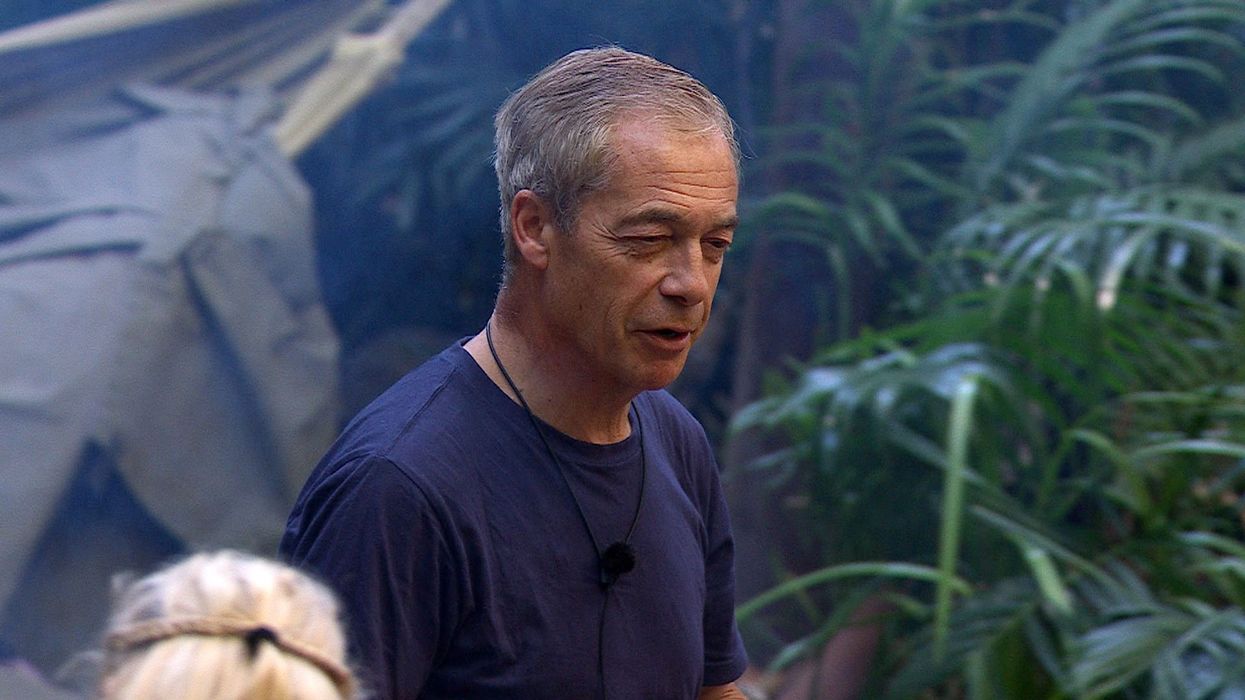
Thomas Farage and Nigel Farage: Understanding the Family Connection
Nigel Farage is the principal reason the name Thomas attracts attention. Nigel became widely known through his campaigning for British withdrawal from the European Union and his leadership roles in UKIP, the Brexit Party and Reform UK. His political career has also involved media broadcasting, election campaigns and extensive public debate.
The history of Nigel’s public career is much easier to document than the life of his son. Established news organisations have reported extensively on his political development, including his role in the 2016 EU referendum and his subsequent return to frontline politics. These events explain the public significance of the Farage surname, but they do not provide automatic evidence about Thomas’s own career or views.
The family connection also illustrates a common feature of public life: relatives of politicians can attract attention even when they do not seek it. Searches about their education, occupations and personal lives often grow because readers want to understand the person behind a familiar surname. However, search interest does not prove that a person has an official political role or a public relationship with their parent’s work.
It is therefore important not to conflate the two individuals. Nigel Farage’s political positions can be examined through speeches, election results, interviews and parliamentary records. Claims about his son’s professional life require their own supporting evidence. A surname is a starting point for research, not proof of a shared career.
What Is Known About His Professional Career?
Some online biographies describe Thomas as a trader or finance professional working in London’s financial sector, often referred to as the City of London. This description is repeated across several biography websites, but the available information does not provide enough independently verified detail to establish a complete employment history.
In particular, a reliable public account of his employer, job title, qualifications, career progression or individual achievements is not readily available. It would therefore be inappropriate to attribute a specific financial institution or investment portfolio to him without documentary evidence. The same caution applies to claims about salary, wealth and business ownership.
The City of London is an important centre for financial services, including banking, investment management, brokerage, insurance and securities trading. Working in this environment can involve analysing market information, managing transactions, assessing risk or supporting institutional clients. However, these are general features of the financial industry, not a confirmed description of Thomas’s daily responsibilities.
A useful biography should explain this distinction clearly. Readers searching for a person’s occupation deserve an answer that reflects the available evidence, rather than a detailed but unsubstantiated account of an imagined working day. Until stronger sources establish more about his career, the most accurate description is that some online accounts report a connection with finance, while the specifics remain uncertain.
Education, Qualifications and Personal Development
Questions about education are common in celebrity biographies because readers want to understand how someone entered a particular profession. In the case of Thomas Farage, however, reliable public information identifying his school, university or professional qualifications is limited.
Some online articles speculate about the type of education he may have received, sometimes drawing assumptions from his family’s background or the financial industry. Such reasoning is not sufficient evidence. A person’s family circumstances do not establish which institution they attended, what subjects they studied or whether they earned a particular qualification.
Education can provide useful context when supported by trustworthy information. For example, a confirmed university degree might help explain a professional specialism, while a documented apprenticeship could clarify how someone entered a trade. Without such evidence, adding a named school or qualification would make a biography appear more complete at the expense of accuracy.
For readers, this is a reminder that the absence of public information does not indicate an absence of achievement. It simply means that a reliable account cannot currently describe that aspect of someone’s life in detail. Respecting that boundary is more informative than repeating unverified claims.
Why Does Thomas Farage Attract Public Interest?
Interest in https://celebrityfocus.co.uk/ reflects a broader pattern in searches about politicians’ families. When a public figure becomes prominent, readers often look beyond political decisions to discover more about family relationships, upbringing and life outside official duties.
The Farage surname has a recognisable place in British political debate because of Nigel’s long involvement in Euroscepticism and the campaign for Brexit. His public appearances and political positions have attracted supporters, critics and extensive media coverage. Naturally, some readers become curious about relatives who are not themselves prominent in public affairs.
Search engines can amplify that curiosity. Once several websites publish articles about a person, additional pages may use similar titles and repeat the same biographical claims. This can create the impression that a detail has been independently verified when it may originate from a small number of secondary sources.
For this reason, the number of websites discussing someone should not be confused with the strength of the evidence. A carefully researched biography asks where each claim originated, whether reliable independent reporting supports it, and whether repeating the information serves a legitimate purpose. This is particularly important when the person being discussed maintains a relatively low public profile.
Public Profile and Privacy
One of the defining characteristics of the available coverage is the limited amount of reliable information about Thomas’s individual public activities. There is no established basis for describing him as a prominent political spokesperson, elected representative or regular media commentator comparable to his father.
A limited public profile should not be interpreted as proof of a deliberate decision to avoid every form of publicity. Unless a person has explained their reasons in a verifiable public statement, claims about their motivations remain speculation. It is more accurate to say that available coverage provides little information about their private preferences.
Privacy is especially relevant when reporting on relatives of well-known politicians. Public interest can justify examining a family connection where it is relevant, but it does not automatically justify publishing unverified information about relationships, addresses, financial circumstances or personal activities.
The same principle applies to online photographs and social media accounts. A profile bearing a familiar name is not necessarily authentic or connected to the person being researched. Identity should be confirmed through reliable evidence before an account, statement or image is attributed to an individual.
A strong biography can remain useful without crossing these boundaries. It can explain why a person is known, outline the information supported by credible sources and openly acknowledge what remains unknown.
Thomas Farage and the Difference Between Political and Private Life
The contrast between Thomas and Nigel Farage highlights the difference between a public career and a private one. Nigel’s political activities are documented through elections, party leadership, public statements and parliamentary work. These records allow journalists and researchers to build a detailed chronology of his career.
There is no equivalent body of publicly established material for his son. It would therefore be misleading to describe Thomas as a political strategist, adviser or participant in his father’s campaigns unless reliable evidence specifically supports such a connection.
This distinction is useful beyond the Farage family. Children and relatives of politicians may have careers in business, medicine, education, law or other fields that are unrelated to government. Their family connection can explain why their names are searched, but it does not establish their political beliefs or professional responsibilities.
Readers should also avoid assuming that a person’s absence from political reporting indicates support or opposition to a particular party. Without direct, credible evidence, no political position should be assigned to them.
For biographers, the practical solution is to give each person a separate evidential record. Information about a parent’s career can supply background, while claims about a relative should be independently verified. This keeps the article informative and prevents a family association from becoming an unsupported narrative.
Facts, Claims and Unanswered Questions
The available online material about Thomas Farage varies in detail and reliability. Some websites present specific claims about age, employment and education, while others explicitly acknowledge that those details have not been independently confirmed. Readers should treat these differences as a reason to check sources rather than simply choosing the most detailed account.
The following table separates the main areas of public interest from the degree of confidence that can reasonably be assigned to the information currently available.
| Topic | What available information indicates | Evidence status |
|---|---|---|
| Family connection | Identified in online biographies as Nigel Farage’s son | Reported; corroboration should be checked |
| Mother | Commonly identified as Gráinne Hayes | Reported in biographical accounts |
| Brother | Samuel Farage is identified as his brother | Reported in biographical accounts |
| Birth year | Some websites give 1991 | Not firmly verified |
| Occupation | Some accounts describe a career in finance or trading | Insufficient independent confirmation |
| Education | No reliably established school or university identified in the sources reviewed | Unconfirmed |
| Political role | No comparable public political career established | No substantiated role identified |
| Net worth | No reliable, independently verified personal figure established | Unconfirmed |
| Personal relationships | Insufficient reliable public information for a detailed account | Should not be speculated upon |
The table should not be read as a claim that unconfirmed details are necessarily false. It shows the difference between a detail being repeated online and that detail being established through reliable evidence. A future interview, official professional biography or well-sourced report could change what is known.
For publishers, the solution is to update articles when stronger evidence becomes available, identify the date of the latest review and correct errors transparently. That approach is more valuable to readers than presenting a fixed, definitive biography when the public record remains incomplete.
How to Research Thomas Farage Responsibly
Reliable research begins with the original source of a claim. If an article states a birth year, occupation or qualification, a researcher should establish whether the information comes from an interview, an official biography, a reputable news report or merely another website. Tracing the claim to its source helps prevent repeated errors.
For family relationships, reputable reporting about Nigel Farage can provide context, but claims about Thomas still need to be assessed individually. Parliamentary records and established news coverage can verify aspects of Nigel’s public career; they cannot, by themselves, establish his son’s employment history or personal circumstances.
Search snippets should also be treated cautiously. They may reproduce text from a page without providing the context needed to judge its reliability. Similarly, multiple websites may share the same original claim, so repetition is not necessarily independent corroboration.
A responsible research process also considers relevance. Even when a private detail is technically discoverable, it may not be necessary to include it in a biography. Information about a person’s public work is generally more relevant than unverified claims about their home life. Accuracy and restraint work together to produce a more trustworthy article.
Why Accurate Biographies Matter for Readers
Biography searches often begin with a straightforward aim: a reader wants to know who someone is and why their name appears in the news. A useful article should answer that question quickly, then explain the context in enough depth to satisfy genuine curiosity.
For Thomas Farage, the central explanation is his reported family connection to Nigel Farage and the limited public information available about his own life. That answer is more meaningful when accompanied by context about the father’s public career and an honest explanation of the evidence gaps.
Overstating what is known may produce a more dramatic story, but it risks misleading readers and damaging a website’s credibility. In contrast, clear qualifications help people distinguish established facts from claims that require further confirmation. This is particularly important for searches involving family members of political figures, where public curiosity can easily outpace available evidence.
Trustworthy biography writing is not measured by how many personal details an article includes. It is measured by whether those details are relevant, accurate and supported. Where the evidence ends, a responsible writer makes that boundary clear rather than inventing a conclusion.
Conclusion
Thomas Farage remains a subject of online curiosity largely because of his reported relationship with Nigel Farage, whose political career has played a significant role in modern British public life. While online biographies provide some information about his family background and suggest a connection with London’s financial sector, important details about his age, education and professional history remain insufficiently corroborated.
The most useful way to understand his biography is to separate his family’s public significance from claims about his individual life. Nigel’s political career is documented through a substantial public record, whereas information about his son is much more limited. That difference should shape how the story is researched and presented.
Ultimately, a credible account does not need to turn uncertainty into speculation. It should explain what is reported, identify what remains unverified and avoid presenting assumptions as facts. For anyone researching Thomas Farage, that balanced approach offers a clearer picture of the available information while respecting the distinction between public interest and personal privacy.
Frequently Asked Questions
Who is Thomas Farage?
Thomas Farage is identified in online biographical accounts as the son of British politician Nigel Farage and his first wife, Gráinne Hayes. He has a much lower public profile than his father, and reliable information about his own career and personal life remains limited.
Is Thomas Farage Nigel Farage’s son?
Yes, biographical accounts identify him as one of Nigel Farage’s sons with Gráinne Hayes. Samuel Farage is also identified as his brother. Detailed claims about other aspects of the family should be checked against credible sources before being treated as established facts.
How old is Thomas Farage?
Some online biographies report that he was born in 1991. However, a precise birth date has not been firmly established in the sources reviewed, so an exact age should not be presented as certain without further verification.
What does Thomas Farage do for a living?
Some websites describe him as a finance professional or trader in London. However, independently confirmed information about his employer, precise occupation, qualifications and career history is limited, so these descriptions should be treated cautiously.
Where did Thomas Farage go to school?
A reliably confirmed school or university has not been established in the sources reviewed. Claims about his education should not be treated as factual unless supported by a trustworthy biography, direct statement or other credible evidence.
Is Thomas Farage involved in politics?
There is no established public record showing that he has pursued a political career comparable to Nigel Farage’s. His family connection does not establish his political beliefs, party affiliation or involvement in any campaign.
What is Thomas Farage’s net worth?
There is no reliable, independently verified figure for his personal net worth in the sources reviewed. Estimates published without transparent financial evidence should not be presented as confirmed wealth.
Why is Thomas Farage searched online?
Interest largely stems from Nigel Farage’s prominence in British politics and the public’s curiosity about his family. Search interest can grow when multiple biography websites cover the same person, but popularity in search results does not establish the accuracy of every claim published about him.
Remove the FAQ sectionTighten repeated privacy warnings