
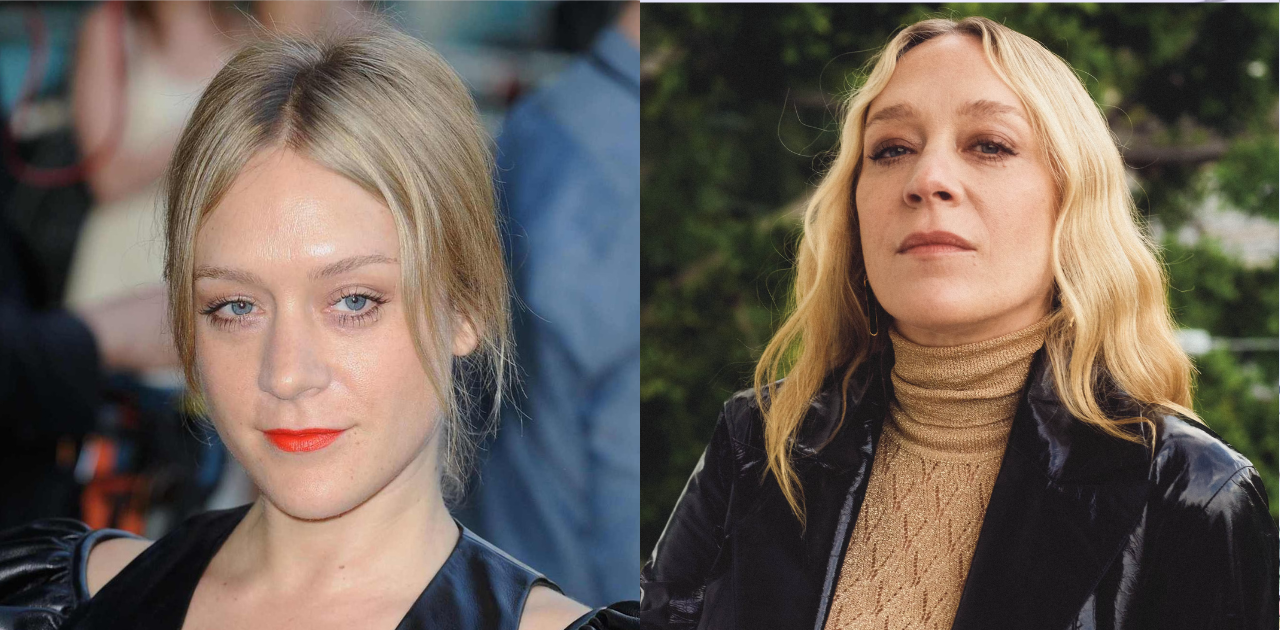

Chloe Sevigny is an American actress, director, model and fashion icon celebrated for her unconventional career choices and lasting influence on independent cinema. Emerging from New York’s downtown creative scene in the 1990s, she developed a reputation for taking artistic risks, portraying complicated characters and working with filmmakers who challenged mainstream Hollywood conventions. Her career spans independent films, major television productions, experimental projects and fashion collaborations, making her one of the most distinctive figures in contemporary American entertainment.
Unlike performers whose careers are defined by blockbuster franchises, Chloe Sevigny https://www.google.com/search?sca_esv=9d147917e498fe61&sxsrf has consistently demonstrated an interest in characters and stories that resist easy categorisation. She gained early recognition through Kids and later delivered acclaimed performances in films such as Boys Don’t Cry, American Psycho and The Last Days of Disco. On television, her work in Big Love, American Horror Story and Feud: Capote vs. The Swans introduced her to different audiences while reinforcing her reputation for thoughtful character work.
Her appeal extends beyond acting. Sevigny has become a reference point in conversations about independent fashion, downtown New York culture and the relationship between personal style and artistic identity. Her approach to clothing, interviews and public appearances often feels more connected to individual expression than conventional celebrity branding. This combination of artistic credibility and cultural influence has helped her remain relevant across several decades.
Understanding her career means looking at more than a list of films and television credits. Her story illustrates how an actor can build a lasting professional identity through selective roles, collaborations with ambitious directors and a willingness to embrace unusual material. It also shows why independent cinema continues to matter: it gives performers opportunities to explore human experiences that mainstream entertainment may approach less directly.

Early Life and Background
Chloe Stevens Sevigny was born on 18 November 1974 in Springfield, Massachusetts, and grew up in Darien, Connecticut. Her upbringing was relatively removed from the glamorous world of Hollywood, but she eventually became fascinated by creative communities that valued individuality, art and alternative fashion. As a young person, she developed an interest in style and youth culture that would later become an important part of her public identity.
Her early connection to New York was especially significant. During the 1990s, downtown Manhattan supported a lively creative environment involving independent filmmakers, musicians, artists, designers and photographers. This scene offered opportunities for people who did not necessarily fit the traditional entertainment-industry mould. Sevigny’s personal style and connection to this environment helped distinguish her from performers who entered the industry through conventional acting-school or studio pathways.
She initially attracted attention through fashion and youth-culture circles before becoming widely recognised as an actress. Her early visibility was connected to her distinctive appearance, individualistic clothing choices and ability to move naturally within alternative creative communities. These qualities helped establish her as a cultural personality even before her acting career had fully developed.
This background is important because it helps explain the choices she made later. Rather than pursuing the most predictable route to commercial fame, she developed a career around projects that interested her creatively. Her early experiences in New York’s artistic environment helped establish an identity that combined performance, fashion and a strong sense of independence.

How Chloe Sevigny Became an Independent Cinema Icon
The breakthrough that introduced Sevigny to a wider film audience came with Kids, the 1995 drama directed by Larry Clark and written by Harmony Korine. The film followed teenagers navigating sex, friendship, substance use and the consequences of risky behaviour in New York City. Its unvarnished style and controversial subject matter generated considerable discussion, distinguishing it from more conventional coming-of-age films.
Sevigny’s performance as Jennie placed her within a film that approached adolescence through a raw, uncomfortable and sometimes deliberately confrontational lens. The production became a defining example of 1990s independent cinema, attracting attention for its portrayal of youth culture and its refusal to make its characters appear more polished or sympathetic than the story required. Although the film’s content remains controversial, its cultural impact is an important part of understanding the period in which Sevigny began her career.
Her early success did not immediately translate into the kind of mainstream celebrity associated with studio blockbusters. Instead, it positioned her within a network of independent filmmakers and creative collaborators who valued unusual perspectives. This distinction mattered because independent productions often allow actors to explore difficult motivations and morally ambiguous behaviour without having to make every character conventionally likeable.
The experience helped establish a pattern that would continue throughout her career. Sevigny became known for choosing films with distinctive visual styles, challenging themes and strong directorial voices. Her work demonstrated that a performer could build a respected career through creative consistency rather than simply pursuing the largest available role.

Breakthrough Performance in Boys Don’t Cry
One of the most significant films in Sevigny’s career was Boys Don’t Cry, the 1999 drama directed by Kimberly Peirce. The film tells the story of Brandon Teena, a transgender man whose life and murder became the basis for a powerful examination of identity, prejudice and violence. Hilary Swank played Brandon, while Sevigny portrayed Lana Tisdel, a young woman who becomes romantically involved with him.
Sevigny’s performance earned widespread critical attention because it required her to communicate affection, confusion, loyalty and grief within a deeply distressing story. Rather than treating Lana simply as a supporting romantic figure, she portrayed someone whose feelings and understanding evolve as the circumstances around Brandon become increasingly dangerous. The performance contributed to the film’s emotional force and helped establish her as an actress capable of carrying complex dramatic material.
The film received major recognition, including Academy Award nominations for both Swank and Sevigny. Swank won the Oscar for Best Actress, while Sevigny was nominated for Best Supporting Actress. These nominations brought her work to a much broader audience and confirmed that her independent-film reputation could translate into mainstream critical recognition.
The importance of Boys Don’t Cry also extends beyond awards. The film continues to be discussed in relation to transgender representation, the treatment of marginalised communities and the responsibilities involved in telling real-life stories. Its historical context and filmmaking choices deserve thoughtful examination, but Sevigny’s performance remains central to understanding her development as a dramatic actor.

Notable Movies That Defined Her Career
Following her early breakthrough, Sevigny appeared in a range of films that reinforced her reputation for selecting distinctive projects. In American Psycho (2000), directed by Mary Harron, she played Jean, the assistant of Patrick Bateman, a wealthy investment banker portrayed by Christian Bale. The film satirises consumerism, status obsession and the emptiness beneath a polished corporate image. Sevigny’s performance helps establish the human relationships surrounding Bateman, whose apparent sophistication conceals increasingly disturbing behaviour.
She also appeared in The Last Days of Disco (1998), directed by Whit Stillman, a comedy-drama set around young professionals navigating relationships and nightlife in late-1970s New York. The film gave her an opportunity to work within a more conversational, socially observant style. Its focus on dialogue, social status and romantic uncertainty contrasted with the confrontational atmosphere of Kids, demonstrating her ability to work across different independent-film traditions.
Other notable projects include Party Monster (2003), The Brown Bunny (2003), Dogville (2003) and Melinda and Melinda (2004). These films varied considerably in tone and style, from dark comedy and experimental cinema to ambitious ensemble drama. Her involvement in such projects reinforced an image of an actor who values creative challenge over predictable genre choices.
The range of her filmography is important when assessing her professional legacy. Some of her films attracted considerable controversy, while others gained recognition through critics, film festivals and long-term audience appreciation. Together, they reveal a performer willing to work within different cinematic traditions rather than becoming associated with only one type of character.
Chloe Sevigny in American Psycho
American Psycho remains one of Sevigny’s most widely recognised films, partly because of its continued popularity in discussions about cult cinema and dark satire. Released in 2000, the film adapts Bret Easton Ellis’s novel about Patrick Bateman, a wealthy Manhattan professional whose obsession with appearance, status and consumption is paired with extreme violence. Its deliberately unsettling tone exposes the contradictions within a culture that prizes money and social approval above almost everything else.
Sevigny plays Jean, a character whose relative sincerity contrasts with the superficial world around her. While many characters in the film are preoccupied with business cards, restaurants, clothing and professional competition, Jean brings a more vulnerable human presence to the story. Her performance contributes to the contrast between genuine emotional connection and the hollow social rituals surrounding Bateman.
The film’s lasting popularity demonstrates how a production can acquire new audiences long after its original release. Viewers continue to interpret its satire through conversations about corporate culture, masculinity, consumerism and the performance of wealth. Online discussion has also helped make particular scenes and lines widely recognisable, giving the film an enduring presence in popular culture.
For Sevigny, the film became an important part of a filmography that balances serious drama with darkly comic material. It also demonstrated her ability to contribute meaningfully to an ensemble without needing to dominate every scene. In films with strong visual and thematic identities, a restrained performance can be just as important as a more overtly dramatic one.
Television Success and Big Love
Although Sevigny built her reputation in independent film, television became another important part of her career. One of her most prominent television roles was Nicolette Grant in Big Love, the HBO drama that aired from 2006 to 2011. The series followed a family navigating the practical, emotional and social consequences of a polygamous marriage in contemporary Utah. Its complex characters and morally challenging situations made it a distinctive entry in prestige television.
Sevigny’s character, Nicolette, belongs to a religious community shaped by strict expectations, complicated family relationships and unequal power structures. Her performance explored the tensions between personal ambition, loyalty, social conformity and the desire for independence. Rather than portraying Nicolette as a straightforward villain or victim, Sevigny gave the character conflicting motivations that reflected the pressures of her environment.
The role earned Sevigny a Golden Globe Award for Best Supporting Actress in a Series, Miniseries or Television Film in 2010. This recognition strengthened her standing as a versatile performer who could move between independent cinema and major television productions. It also introduced her to viewers who might not have followed her earlier films.
Big Love helped demonstrate that television could provide actors with the same kind of demanding character development traditionally associated with film. Over multiple seasons, characters could change gradually as relationships, secrets and personal decisions accumulated. For an actress known for nuanced performances, this extended storytelling format offered valuable opportunities to explore contradictions and emotional complexity.
American Horror Story and Other Television Roles
Sevigny continued to explore television through projects that demanded different approaches to performance. She appeared in American Horror Story: Asylum, the second season of Ryan Murphy and Brad Falchuk’s anthology series, which premiered in 2012. The season takes place largely within a psychiatric institution in the 1960s, combining psychological horror with themes of religion, institutional power, stigma and medical abuse.
Her involvement in the series demonstrated her willingness to work within genre television without abandoning her preference for challenging material. Horror often requires performers to communicate fear, uncertainty and psychological distress while working within heightened situations. The genre’s exaggerated atmosphere can also provide opportunities to examine social anxieties through fictional institutions and extreme characters.
Sevigny later returned to the American Horror Story universe in Hotel, the fifth season, which premiered in 2015. Her appearances across different seasons illustrate how anthology television can bring performers back into a franchise while giving them opportunities to explore new roles. Unlike a conventional long-running drama, an anthology series can change its setting, characters and central themes from one season to another.
Her later television work includes The Act, the crime drama anthology that explored the case of Gypsy Rose Blanchard and her mother, and Feud: Capote vs. The Swans, in which she portrayed socialite C. Z. Guest. These projects reinforced her ability to portray characters whose public identities differ from their private experiences. They also expanded her presence in television dramas that combine historical or real-world inspiration with carefully constructed character studies.
Feud: Capote vs. The Swans and Her Recent Work
One of https://celebrityfocus.co.uk/‘s notable recent television appearances was in Feud: Capote vs. The Swans, the second season of Ryan Murphy’s anthology series. Premiering in 2024, the drama examines the fractured relationships between writer Truman Capote and a circle of wealthy New York socialites who had once regarded him as a trusted friend. The series explores the intersection of celebrity, social status, betrayal and the power of gossip.
Sevigny portrays C. Z. Guest, a prominent figure within the social circle surrounding Capote. The role required her to inhabit a historical personality associated with elite New York society, elegant fashion and carefully maintained public appearances. Her performance contributed to the show’s portrayal of a world in which reputation and access to exclusive social networks could carry enormous importance.
The series also connects with themes that have appeared throughout Sevigny’s career. Many of her projects examine how people construct identities to navigate a particular social environment. In Feud, characters use manners, fashion, friendships and public alliances to maintain their positions, while private resentments threaten to undermine the polished surface.
This role demonstrates how Sevigny’s long-standing association with fashion and New York culture can complement her acting. She brings an established understanding of the visual language of style to a character whose identity is closely linked to appearance and social convention. Yet the performance is more than a fashion exercise: it contributes to a story about power, loyalty and the consequences of personal betrayal.
Chloe Sevigny as a Fashion Icon
Fashion has been inseparable from Sevigny’s public identity for much of her career. Her style is frequently associated with vintage clothing, independent designers, unexpected combinations and a willingness to experiment with silhouettes that fall outside mainstream trends. Rather than consistently following seasonal fashion formulas, she has developed a personal aesthetic that draws on different periods, subcultures and artistic influences.
During the 1990s and early 2000s, Sevigny became associated with downtown New York’s alternative fashion scene. That environment valued individual expression and often challenged the polished uniformity of commercial celebrity styling. Her wardrobe helped communicate a sense of independence that complemented the unconventional films she chose. Vintage dresses, unusual accessories and carefully selected statement pieces became part of the broader image audiences associated with her.
Her influence is particularly interesting because it challenges the assumption that fashion credibility must come from wearing the most expensive or immediately recognisable designer labels. A strong personal style can instead emerge from the ability to combine clothing in unexpected ways, understand proportion and wear pieces with confidence. Sevigny’s approach demonstrates how fashion can communicate personality rather than simply display purchasing power.
She has also been associated with designers and fashion publications that value creative experimentation. Her presence in editorial photography and at industry events reflects the relationship between cinema and fashion, where actors can become cultural references beyond their screen performances. For many observers, her appeal lies in the impression that her style reflects an individual point of view rather than a uniform public-relations strategy.
Modeling, Design and Creative Collaborations
Sevigny’s work in fashion extends beyond personal style. Her early visibility in modelling and youth-culture publications helped establish her as a recognisable figure within creative communities, while later collaborations allowed her to participate in fashion conversations from different perspectives. Her experience demonstrates how a public figure can move between acting, modelling and other forms of creative work without treating them as entirely separate careers.
Fashion collaborations can be valuable when they reflect an existing creative identity. A celebrity known for a particular aesthetic may bring cultural credibility to a collection or campaign, while designers provide the technical and commercial infrastructure needed to develop products. However, a successful collaboration requires more than a famous name. The resulting work must have a clear concept and connect meaningfully with the intended audience.
Sevigny’s appeal within fashion comes partly from her willingness to embrace unusual combinations and avoid overly predictable styling. That approach can inspire consumers to think more creatively about clothing they already own, rather than assuming that personal style requires an entirely new wardrobe. A vintage jacket paired with contemporary basics, for example, can create a distinctive look without depending on a head-to-toe designer outfit.
Her career illustrates a wider relationship between fashion and identity. Clothing can communicate cultural affiliation, creative interests and attitudes towards convention. In Sevigny’s case, fashion has become another way of expressing the independence that defines much of her acting career. It reinforces her position as a cultural figure whose influence reaches beyond any individual film or television role.
Personal Life, Marriage and Children
Sevigny generally maintains a relatively private approach to her personal life, particularly compared with celebrities whose relationships dominate entertainment coverage. She married art gallery director Siniša Mačković in 2020. The couple’s relationship has attracted public interest, but they have largely kept the details of their day-to-day family life away from constant media attention.
Their first child, a son named Vanja, was born in May 2020. The arrival of her child marked a significant personal milestone, and Sevigny has occasionally discussed motherhood in interviews. However, she has continued to maintain a professional identity that is not defined exclusively by family life, balancing acting commitments with her responsibilities as a parent.
In 2024, Sevigny and Mačković welcomed their second child, a daughter named Marlowe. The expansion of their family coincided with a period in which Sevigny continued working on prominent film and television projects. Her experience illustrates how established performers may continue developing their careers while navigating major personal changes, although the practical realities of balancing work and family vary considerably between individuals.
Public curiosity about celebrity families can sometimes create pressure to disclose information that people would ordinarily keep private. Sevigny’s relatively restrained approach offers a useful reminder that a public career does not remove someone’s right to boundaries. Confirmed biographical details can help audiences understand her life, but speculation about family decisions or private relationships adds little reliable information.
Awards, Critical Recognition and Professional Achievements
Sevigny’s career has received recognition from major film and television institutions, reflecting the range of her work across independent cinema and prestige television. Her Academy Award nomination for Boys Don’t Cry was a significant milestone, bringing mainstream recognition to an actress who had become associated with unconventional film projects.
Her Golden Globe win for Big Love further demonstrated her ability to succeed in a different medium. The award acknowledged her supporting performance in a complex television drama and helped broaden perceptions of her professional range. Together, these achievements illustrate how an actor can establish credibility through several different kinds of work rather than relying on a single career-defining role.
Awards are useful indicators of critical recognition, but they do not tell the entire story of an actor’s influence. Some performances become important because they shape conversations about representation, filmmaking or social issues, even when they receive limited formal recognition. Independent cinema, in particular, often values artistic experimentation and cultural impact that may not be fully captured by major award ceremonies.
Sevigny’s lasting reputation also comes from the consistency of her choices. She has worked with filmmakers across different styles and generations, moved between film and television, and maintained a visible connection to fashion and creative culture. Her achievements are therefore best understood as a combination of individual performances, professional recognition and broader cultural influence.
Chloe Sevigny’s Most Important Career Milestones
The following table summarises selected projects that help explain the development of Sevigny’s career. It is not a complete filmography, but it highlights important turning points and the different creative environments in which she has worked.
| Year | Film or television project | Career significance |
|---|---|---|
| 1995 | Kids | Brought her early attention in independent cinema |
| 1998 | The Last Days of Disco | Demonstrated her ability in dialogue-driven comedy-drama |
| 1999 | Boys Don’t Cry | Earned an Academy Award nomination for supporting actress |
| 2000 | American Psycho | Strengthened her association with cult cinema |
| 2003 | Party Monster | Continued her work in unconventional independent film |
| 2006–2011 | Big Love | Established a major television role and earned a Golden Globe |
| 2012 | American Horror Story: Asylum | Expanded her work in psychological horror |
| 2015 | American Horror Story: Hotel | Returned to the anthology franchise |
| 2019 | The Act | Participated in a true-crime-inspired television drama |
| 2024 | Feud: Capote vs. The Swans | Portrayed C. Z. Guest in a historical social drama |
The timeline demonstrates that Sevigny’s career has developed through variety rather than a single genre. She has worked in intimate independent dramas, dark comedies, psychological horror and historical television, allowing her to explore very different kinds of characters. This breadth has contributed to her reputation for adaptability without erasing the unconventional qualities that made her distinctive in the first place.
It also shows why her career remains relevant to discussions about independent cinema. A successful independent-film performance can introduce an actor to directors, producers and audiences who value a particular approach to storytelling. Over time, those opportunities can lead to television roles and larger productions without requiring an actor to abandon the artistic identity that initially attracted attention.
Why Chloe Sevigny Remains Relevant Today
Sevigny’s continued relevance comes from the combination of artistic independence, versatility and cultural credibility. She has remained associated with unconventional cinema while also appearing in well-known television dramas. This balance allows her to reach audiences with different interests, from viewers who follow independent film festivals to people who discover her through mainstream streaming services.
Her fashion influence provides another source of longevity. Trends change quickly, but a recognisable personal aesthetic can remain interesting because it is not dependent on one season’s dominant look. Sevigny’s approach to clothing reflects a long-term relationship with vintage fashion, independent designers and individual expression, giving her public image a consistency that extends beyond acting roles.
There is also a broader lesson in the way she has built her career. Actors sometimes face pressure to choose between commercial visibility and artistic credibility, but these categories are not necessarily mutually exclusive. Working in independent cinema can create opportunities for challenging performances, while television and larger productions can expand an actor’s audience. The most effective career decisions depend on the individual’s interests, circumstances and willingness to explore different formats.
Ultimately, Sevigny’s longevity is rooted in the fact that she remains difficult to reduce to a single label. She is an actor with a distinctive filmography, a fashion personality with a strong visual identity and a public figure who has largely avoided turning every part of her personal life into entertainment. That combination continues to make her an interesting subject for audiences exploring American film and contemporary culture.
Frequently Asked Questions About Chloe Sevigny
How old is Chloe Sevigny?
Chloe Sevigny was born on 18 November 1974. As of October 2026, she is 51 years old and will turn 52 in November 2026. Her career began attracting significant attention during the 1990s, and she has continued to work in film, television and fashion across several decades.
What is Chloe Sevigny most famous for?
Chloe Sevigny is widely known for her roles in Kids, Boys Don’t Cry and American Psycho, along with her television performance in Big Love. She is also recognised for her independent fashion style and her involvement in unconventional films. Her career combines critical recognition with a lasting influence on alternative fashion and American popular culture.
Did Chloe Sevigny win an Oscar?
Chloe Sevigny received an Academy Award nomination for Best Supporting Actress for her performance in Boys Don’t Cry at the 72nd Academy Awards in 2000. She did not win that award; the Oscar went to Angelina Jolie for Girl, Interrupted. The nomination nevertheless marked a major milestone in Sevigny’s career.
Who is Chloe Sevigny’s husband?
Chloe Sevigny is married to Siniša Mačković, an art gallery director. The couple married in 2020 and have two children. They generally keep their family life private, with Sevigny continuing to maintain a professional career in film, television and fashion.
How many children does Chloe Sevigny have?
Chloe Sevigny has two children with her husband, Siniša Mačković. Their son, Vanja, was born in May 2020, and their daughter, Marlowe, was born in 2024. Sevigny has continued to work on acting projects while raising her family.
What television shows has Chloe Sevigny appeared in?
Her notable television credits include Big Love, American Horror Story: Asylum, American Horror Story: Hotel, The Act and Feud: Capote vs. The Swans. These productions demonstrate her ability to move between family drama, psychological horror, crime-related storytelling and historical television.
Why is Chloe Sevigny considered a fashion icon?
Sevigny is regarded as a fashion icon because of her distinctive approach to personal style, particularly her use of vintage clothing, independent designers and unexpected combinations. Rather than relying exclusively on conventional luxury trends, she has developed an aesthetic associated with individuality and New York’s alternative creative culture.
What award did Chloe Sevigny win for Big Love?
Sevigny won the Golden Globe Award for Best Supporting Actress in a Series, Miniseries or Television Film in 2010 for her role as Nicolette Grant in HBO’s Big Love. The award recognised her performance in a drama that explored complicated family relationships, religious expectations and personal ambition.
Conclusion: Chloe Sevigny’s Enduring Legacy in Film and Fashion
Chloe Sevigny has established a distinctive place in American entertainment by building a career around creative independence, thoughtful performances and an unmistakable personal style. From the controversial early success of Kids to the emotional complexity of Boys Don’t Cry, the dark satire of American Psycho and the television acclaim of Big Love, her filmography reflects a consistent willingness to explore challenging material.
Her influence extends beyond acting. Through her connection to independent fashion, vintage clothing and New York’s creative communities, she has become a reference point for people interested in the relationship between personal style and cultural identity. Her approach demonstrates that a fashion icon does not need to follow every mainstream trend to remain influential; a distinctive point of view can be more enduring than short-lived popularity.
Her later television work, including Feud: Capote vs. The Swans, has continued to introduce her to new audiences while building on the strengths of her earlier performances. At the same time, her relatively private family life shows that a long-running public career does not require complete access to someone’s personal world.
The lasting significance of Chloe Sevigny lies in her refusal to be confined to one category. She has moved between independent films, television dramas, fashion and creative collaborations while preserving an individual identity. Her career offers a valuable reminder that lasting influence often comes not from following the most obvious route to fame, but from making thoughtful choices, embracing artistic risks and developing a recognisable voice over time.