
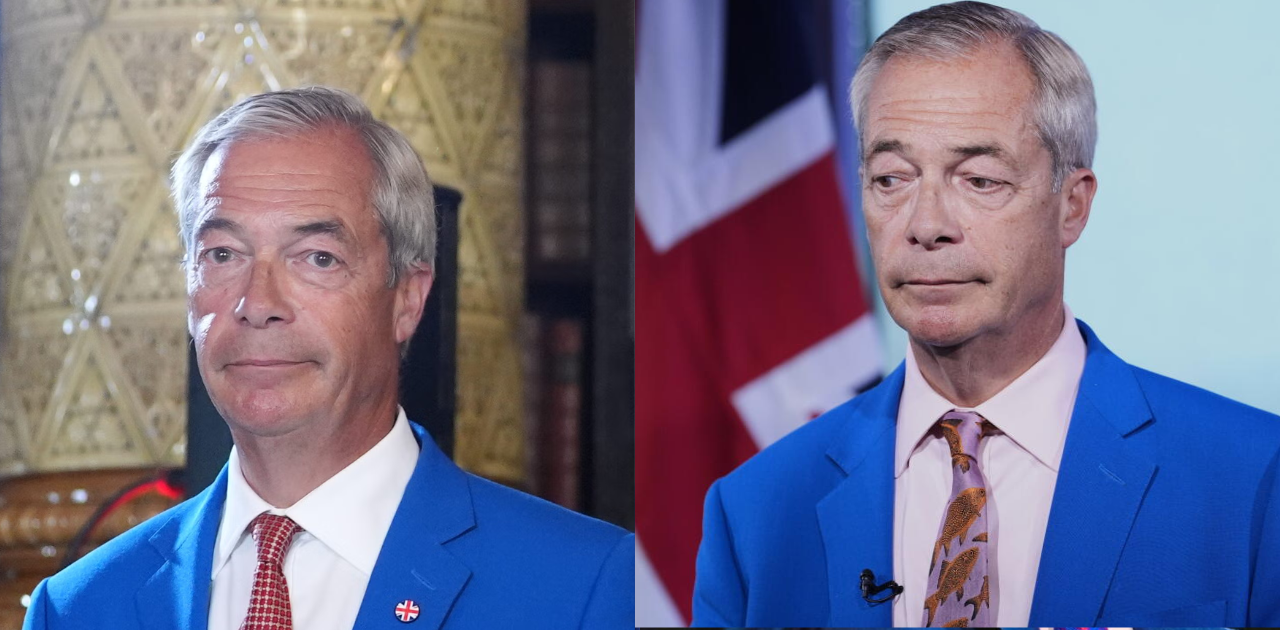

Thomas Farage is a name that may attract attention from people researching the Farage family and its connection to British politics. The surname is widely recognised in the United Kingdom because of Nigel Farage, the prominent political figure associated with UKIP, the Brexit campaign and Reform UK. However, when researching people connected to public figures, it is important to distinguish between verified biographical information and assumptions based on a shared surname.
Interest in family members of politicians often grows when a public figure becomes prominent in elections, political debates or media coverage. Readers may consequently search for information about relatives, their upbringing, education, careers and private lives. Yet not every individual associated with a well-known surname has a detailed public biography, and the amount of reliable information available can vary considerably.
This article examines the available context surrounding Thomas Farage,https://www.google.com/search?sca_esv=37ab7a1caa72e98a&sxsrf explains the importance of verifying family relationships, and explores why people connected to prominent British political figures attract public curiosity. It also considers the distinction between public interest and private life, helping readers understand what responsible biographical research should establish before presenting personal details as facts.
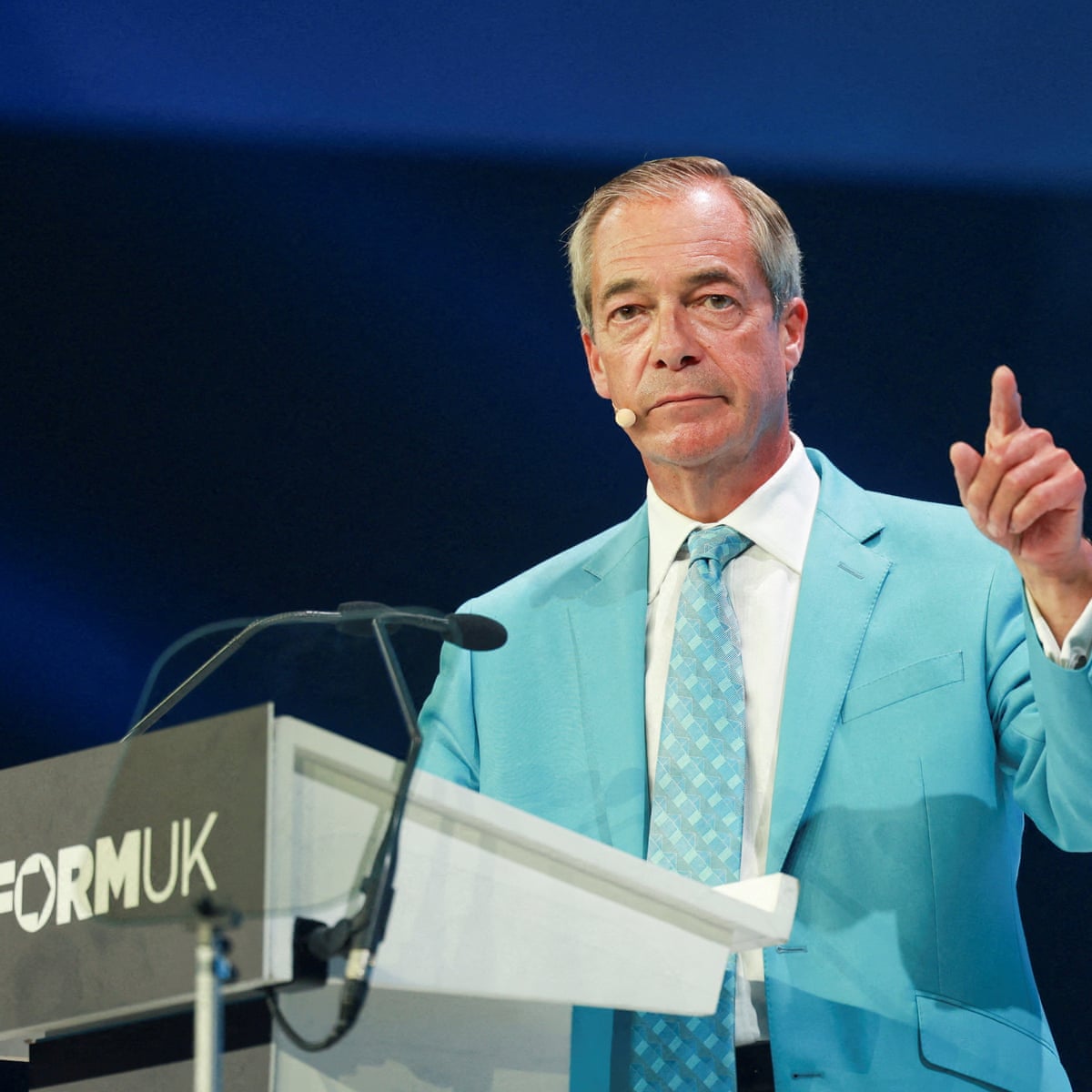
Who Is Thomas Farage?
Thomas Farage is a name that requires careful identification before a detailed biography can be established. Although the Farage surname has a clear association with British politics, a shared surname alone does not prove that two people are related. Reliable biographical writing depends on establishing identity through credible records, reputable reporting and clear evidence of any claimed family connection.
There is an important distinction between a person being mentioned in online searches and having a documented public profile. Search engines may display names because of social media references, family associations, repeated queries or articles that discuss related individuals. These signals can indicate curiosity, but they do not independently establish someone’s occupation, age, education, financial circumstances or relationship to a politician.
For readers researching Thomas Farage, the most useful starting point is therefore to establish which individual the name refers to and whether reputable sources provide a consistent account of that person’s background. Without that foundation, a detailed biography could unintentionally combine information about different people or repeat unverified claims.

The Farage Family and Its Connection to British Politics
The Farage family name is particularly recognisable because of Nigel Farage, a British politician and political campaigner who became one of the most visible figures in the debate over the United Kingdom’s membership of the European Union. His public career has included leadership roles in the UK Independence Party, commonly known as UKIP, and Reform UK. His political messaging has focused on issues including Brexit, immigration, national sovereignty and dissatisfaction with established political parties.
Nigel Farage’s public profile has also created interest in his family background. This is common in political journalism: voters and readers sometimes want to understand the people surrounding a prominent politician, including relatives whose lives may remain largely outside public view. However, family relationships should be described only when supported by reliable evidence rather than inferred from a name or online speculation.
When considering Thomas Farage in this context, it is essential to separate established information about Nigel Farage from information specifically verified about Thomas. Facts concerning Nigel Farage’s political career cannot automatically be transferred to another person with the same surname. This distinction protects accuracy and ensures that a biography remains informative instead of becoming a collection of unsupported assumptions.

What Is Publicly Known About Thomas Farage?
A central challenge in writing about Thomas Farage is determining which personal details can be independently verified. A trustworthy biography should normally establish a person’s identity and then use dependable sources to support relevant details, such as family relationships, professional activities or public appearances. Where those details cannot be confirmed, the article should clearly acknowledge the limitation.
It would be misleading to assign Thomas Farage a birth date, age, occupation, educational history, net worth or residential location without reliable supporting evidence. These details can seem like standard elements of a celebrity biography, but including them merely to complete a familiar article format risks spreading misinformation. Accuracy is more important than making a profile appear comprehensive.
The same principle applies to claims about private relationships and personal achievements. A name appearing in an unverified online post is not equivalent to a statement confirmed by a reputable publication or an official record. Responsible reporting recognises that an absence of public documentation does not prove that something is true or false; it simply means the claim has not been adequately established.
Thomas Farage and Nigel Farage: Understanding the Relationship
One likely reason people search for https://celebrityfocus.co.uk/ is the prominence of Nigel Farage. When a politician receives extensive media coverage, people often investigate possible connections between that politician and individuals sharing the same surname. Nevertheless, the exact relationship between two people must be supported by evidence before it can be stated as a fact.
A reliable account would look for direct confirmation in reputable interviews, established news reporting, credible biographical publications or relevant public records. These sources should identify the individuals clearly and explain the nature of the relationship. Where evidence is ambiguous or contradictory, the responsible approach is to describe the uncertainty rather than present a guess as established history.
This is particularly important in online publishing, where one unsupported claim can be copied across multiple websites. Repetition can create the appearance of consensus even when all the articles ultimately rely on the same unverified source. For anyone researching Thomas Farage, tracing a claim back to its original and most authoritative source is more useful than counting how many websites repeat it.
Early Life and Family Background
Thomas Farage is reported in online biographical accounts to be the son of Nigel Farage and his first wife, Gráinne Hayes. Nigel Farage’s first marriage and his two sons, Samuel and Thomas, form part of the publicly documented outline of his personal life. The marriage ended in divorce in 1997, according to biographical accounts of the politician. These family details provide context for understanding why Thomas’s name appears in searches related to the Farage family.
Beyond these basic family connections, however, detailed information about Thomas’s childhood and upbringing is limited in widely accessible, independently verifiable sources. Readers should be cautious about treating claims concerning his childhood experiences, family relationships or private circumstances as definitive unless the information can be traced to credible reporting. Family background can help explain a person’s public associations, but it should not be used to invent a personal narrative that the available evidence cannot support.
Thomas Farage’s Age and Birth Details
Several online biographies identify Thomas Farage as having been born in 1991. If that year is accurate, he would be 34 or 35 during 2026, depending on his birthday. However, a precise birth date should not be stated without a reliable source that confirms it. The distinction matters because websites sometimes reproduce biographical details from one another without independently checking their accuracy.
Age is a common search query for people associated with public figures, but it is only one part of a person’s identity. A reliable biographical profile should give greater attention to verifiable milestones and relevant public information rather than relying on an estimated age to create the appearance of a complete personal history. Where exact dates are not confirmed, transparent wording is preferable to presenting an estimate as an established fact.
Education and Academic Background
Information about Thomas Farage’s education is not sufficiently established in authoritative public sources to support a detailed account of his schools, qualifications or university studies. Some online biographical pages discuss his professional background, but readers should distinguish between information supported by documented evidence and details that are merely repeated across websites. Without reliable confirmation, naming a particular institution or qualification would risk misleading readers.
Education is often an important part of a biography because it can provide context for someone’s professional interests and career development. For example, a verified degree in economics or finance might help explain a person’s entry into financial services. However, that general relationship cannot be used to infer Thomas’s qualifications. His academic history should be described only when credible evidence establishes the relevant details.
Career and Professional Life
Some online publications describe Thomas Farage as working in finance or as a trader in the City of London. The City is a major centre for financial services, including investment banking, asset management, insurance, commodities trading and other activities connected with financial markets. If the reported career description is accurate, it would place his professional interests in a sector distinct from his father’s highly visible political work.
Nevertheless, a specific employer, job title, career timeline or professional achievement should not be attributed to Thomas without reliable confirmation. Financial services is a broad industry, and the word “trader” can describe several different roles involving different responsibilities and levels of seniority. A careful biography should not turn a general online description into a detailed account of employment that has not been independently verified.
The distinction between professional privacy and public accountability is also important. A politician’s public decisions and declared interests may be legitimate subjects of scrutiny, whereas a relative’s ordinary employment does not automatically become a matter of public concern. In the absence of documented public activity, it is more accurate to acknowledge the limits of the available information than to speculate about income, clients, investments or professional influence.
Is Thomas Farage Involved in Politics?
Nigel Farage’s prominence naturally raises questions about whether his children have entered politics, joined political organisations or developed careers in political communications. However, a family connection is not evidence of political participation. A person’s professional or personal interests should be established through direct statements, reliable reporting or other credible public records.
There is insufficient reliable evidence here to establish that Thomas Farage holds a political office, has pursued an elected career or plays an official role in Reform UK. That does not establish his private political opinions, nor does it prove that he has no political interests. It simply means that such claims should not be presented as facts without supporting evidence.
This distinction is particularly relevant in the United Kingdom, where political identity can attract intense public attention. Nigel Farage has been associated with UKIP, the Brexit Party and Reform UK, but his career does not establish the political beliefs or affiliations of his relatives. Responsible reporting treats each individual separately and avoids attributing political positions to family members without direct evidence.
Relationship With His Brother and Half-Sisters
Public biographical accounts identify Samuel Farage as Thomas’s brother. They also identify Victoria and Isabelle Farage as his younger half-sisters from Nigel Farage’s second marriage to Kirsten Mehr. These relationships help explain the wider family structure that readers may encounter when researching the Farage surname.
It is important, however, to distinguish documented family connections from claims about the quality of those relationships. Whether siblings are close, how often they meet or what they think about each other’s lives are personal matters that require direct and credible evidence. A family tree can establish relationships, but it cannot establish emotional closeness, disagreements or private family dynamics.
For readers interested in Thomas Farage, the most useful approach is to understand the publicly documented family structure without assuming that every relative shares the same lifestyle, ambitions or political outlook. Families can include people with very different professional interests and levels of public visibility. A relative’s public prominence does not mean every member of the family has chosen to participate in the same world.
Personal Life and Privacy
Thomas Farage does not appear to maintain the same public profile as his father. This relative lack of visibility means that details about his relationships, daily routine, hobbies and personal preferences are not established well enough to support confident claims. It would be inappropriate to fill those gaps with invented anecdotes or assumptions based on what is typical of people in similar professional or family circumstances.
Privacy is especially relevant when writing about the adult children of public figures. Although a politician’s family may attract attention because of its connection to public life, relatives who do not hold public office or seek media exposure retain legitimate interests in their personal lives. Information should be included because it is relevant, credible and in the public interest, not simply because it might attract clicks.
For publishers, this creates a practical editorial challenge. Searchers may expect a biography to include relationship status, children, residential details and personal interests. Yet a trustworthy article should not imply that these details are known when they are not. A clear statement about the limits of public information provides a more reliable answer than an elaborate but unsupported story.
Why Does Thomas Farage Attract Online Attention?
Search interest in the families of well-known politicians is a familiar feature of modern digital media. When a public figure becomes a major part of political news, audiences often expand their searches beyond policy positions and election results to include family members, personal history and professional backgrounds. The same pattern can explain why people search for Thomas Farage alongside terms associated with Nigel Farage.
Search engines also connect related topics through names, entities and user behaviour. A query about Nigel Farage may lead a reader to explore his family, while a search for one of his children may lead to questions about the politician’s marriages or wider biography. These connections can make a relatively private individual appear more prominent in search results than their own public activities would otherwise suggest.
Online interest should not be mistaken for evidence of celebrity status, professional influence or public participation. Search volume can indicate that people want information, but it does not prove that the information exists in a verified form. For writers, the challenge is to satisfy genuine curiosity without exaggerating a person’s public importance or repeating claims that lack dependable sourcing.
Thomas Farage Compared With Other Political Family Members
Children of prominent politicians take many different paths. Some become elected representatives, campaign advisers, journalists or public commentators. Others develop careers in business, education, science or other sectors and maintain little public involvement in their relatives’ political activities. There is no single pattern that determines how a person connected to a politician will live or work.
Comparisons can provide useful context, but only when they are based on established facts. It would be misleading to assume that Thomas Farage has followed a particular career path simply because other politicians’ children have done so. Similarly, the visibility of some political families should not create an expectation that every family member must give interviews or explain their personal decisions.
The broader lesson is that a family name and an individual’s own public identity are different things. A person can be connected to a prominent political figure without becoming a public figure in their own right. Understanding that difference allows readers to approach biographies with more realistic expectations and helps publishers avoid creating artificial comparisons.
Net Worth and Financial Information
There is no sufficiently reliable, independently verified public figure available here to establish Thomas Farage’s personal net worth. Online articles may speculate about the finances of people associated with famous families, but such estimates are not equivalent to audited accounts, verified asset disclosures or other authoritative financial evidence.
Net worth is generally calculated by subtracting liabilities from assets. For an individual working in financial services, an accurate calculation would require dependable information about earnings, property, investments, debts and other financial interests. A person’s surname or reported occupation does not provide enough information to make that calculation. Even a confirmed job title would not reveal the value of their total assets or liabilities.
It is therefore better not to attach a monetary estimate to Thomas Farage without credible supporting documentation. This approach is particularly important because inaccurate financial claims can be copied across websites and eventually appear more authoritative than their original sources justify. A responsible biography should distinguish verified financial information from speculation and acknowledge when no dependable estimate is available.
How to Verify Information About Thomas Farage
The strongest way to research Thomas Farage is to begin with sources that can establish identity and family relationships. Reputable British news organisations, established biographical references, direct interviews and relevant official records can provide a useful starting point. Each source should be evaluated according to its expertise, transparency and access to the underlying information.
Readers should also consider whether several websites genuinely provide independent confirmation. If multiple articles repeat the same unusual claim without identifying an original source, their agreement may be less meaningful than it first appears. Checking publication dates, authorship, cited evidence and whether a statement has been independently corroborated can help reveal the difference between reporting and repetition.
The following table summarises how common biographical claims should be assessed.
| Topic | What can responsibly be said | Evidence needed for greater certainty |
|---|---|---|
| Family connection | Biographical accounts identify him as Nigel Farage’s son | Reliable reporting or authoritative biographical records |
| Birth year | Some online biographies report 1991 | A dependable source confirming the birth year |
| Age | If born in 1991, he would be 34 or 35 in 2026, depending on his birthday | Verified birth date |
| Career | Some websites describe a role in finance or trading | Credible professional profile or reputable reporting |
| Education | Detailed qualifications are not firmly established here | Reliable educational or biographical documentation |
| Political activity | No official political role is established here | Official records or credible reporting |
| Net worth | No verified personal figure is established here | Reliable financial documentation |
This evidence-based approach benefits both readers and publishers. It reduces the risk of publishing false personal information, makes uncertainty clear and helps build a more trustworthy online resource. It also creates a better foundation for future updates if stronger evidence becomes available.
Frequently Asked Questions
Who is Thomas Farage?
Thomas Farage is identified in online biographical accounts as the son of British politician Nigel Farage and his first wife, Gráinne Hayes. He has a much lower public profile than his father, and reliable information about his own professional and personal life is limited. A detailed biography should distinguish established family information from claims that have not been independently confirmed.
Is Thomas Farage Nigel Farage’s son?
Yes. Biographical accounts of Nigel Farage identify Thomas as one of his two sons with his first wife, Gráinne Hayes. Samuel Farage is identified as Thomas’s brother. Details beyond these basic family relationships should be checked against reliable sources before being presented as established facts.
How old is Thomas Farage?
Some online biographies report that Thomas Farage was born in 1991. If that year is correct, he would be 34 or 35 during 2026, depending on his birthday. A precise age should not be presented as certain without reliable confirmation of his birth date.
What does Thomas Farage do for a living?
Some online publications describe Thomas Farage as working in finance or as a trader in London’s financial district. However, a specific employer, current position or detailed career history is not established here through sufficiently authoritative evidence. Readers should treat detailed professional claims cautiously unless a credible source confirms them.
Is Thomas Farage involved in Reform UK?
There is insufficient reliable evidence here to establish that Thomas Farage holds an official position within Reform UK or has pursued a public political career. His father’s leadership of the party does not establish Thomas’s political beliefs or involvement. Any claim about his political activities should be supported by direct statements, official records or reputable reporting.
Who is Thomas Farage’s mother?
Biographical accounts identify Gráinne Hayes, a nurse who married Nigel Farage in 1988, as Thomas Farage’s mother. Nigel Farage and Gráinne Hayes divorced in 1997. Additional details about her private life should be included only when they are relevant and supported by reliable public sources.
Does Thomas Farage have siblings?
Public biographical accounts identify Samuel Farage as his brother and Victoria and Isabelle Farage as his younger half-sisters. The two younger daughters are from Nigel Farage’s marriage to Kirsten Mehr. These family relationships provide context for the wider Farage family, although they do not establish the nature of the siblings’ private relationships.
What is Thomas Farage’s net worth?
A reliable, independently verified net-worth figure for Thomas Farage is not established here. Online estimates should not be treated as confirmed financial facts without supporting evidence. A meaningful estimate would require dependable information about assets, liabilities, income and investments.
Conclusion
Thomas Farage attracts attention primarily because of his reported family connection to Nigel Farage, one of the most recognisable figures in modern British politics. That connection explains why readers may want to learn about his background, career, family relationships and life outside the political spotlight. However, the amount of reliable information available about him is more limited than the extensive coverage of his father might suggest.
The most useful biography separates documented family details from claims that remain uncertain. Some online accounts report a 1991 birth year and a career connected to finance, but those details should be presented with appropriate caution unless independently confirmed by authoritative sources. Information about his education, personal relationships, political involvement and net worth requires the same careful approach.
Ultimately, Thomas Farage illustrates an important distinction in public-interest writing: being related to a prominent politician does not automatically make someone a public figure with a fully documented life. The best account is not necessarily the one that makes the most claims, but the one that explains what is known, identifies what remains uncertain and respects the difference between public curiosity and verified fact.