


The Dearborn Michigan mayor plays an important role in shaping the city’s future, from improving public services and maintaining neighbourhoods to supporting local businesses and addressing environmental challenges. As one of Michigan’s most distinctive communities, Dearborn has a strong industrial heritage, a diverse population, and close connections to the wider Detroit metropolitan area. Its leadership must balance economic development, public safety, infrastructure investment, and the everyday needs of residents.
As of October 2026, the city’s mayor is Abdullah Hammoud,https://www.google.com/search?sca_esv=87dff390220d968f&sxsrf who began his second term in January 2026 after winning re-election in November 2025. Born and raised in Dearborn, Hammoud previously represented Michigan’s 15th House District and developed a public-service background that included healthcare policy, environmental advocacy, and economic development. His administration has placed particular emphasis on parks, flood preparedness, public health, neighbourhood services, and the city’s economic future.
Understanding the Dearborn Michigan mayor requires more than knowing the name of the person holding office. Residents and readers also need to understand how the mayor’s responsibilities fit into local government, which policies have shaped the city, how public investments affect daily life, and what challenges remain. These issues help explain why the mayor’s decisions matter to homeowners, renters, workers, business owners, families, and anyone interested in Michigan’s local politics.
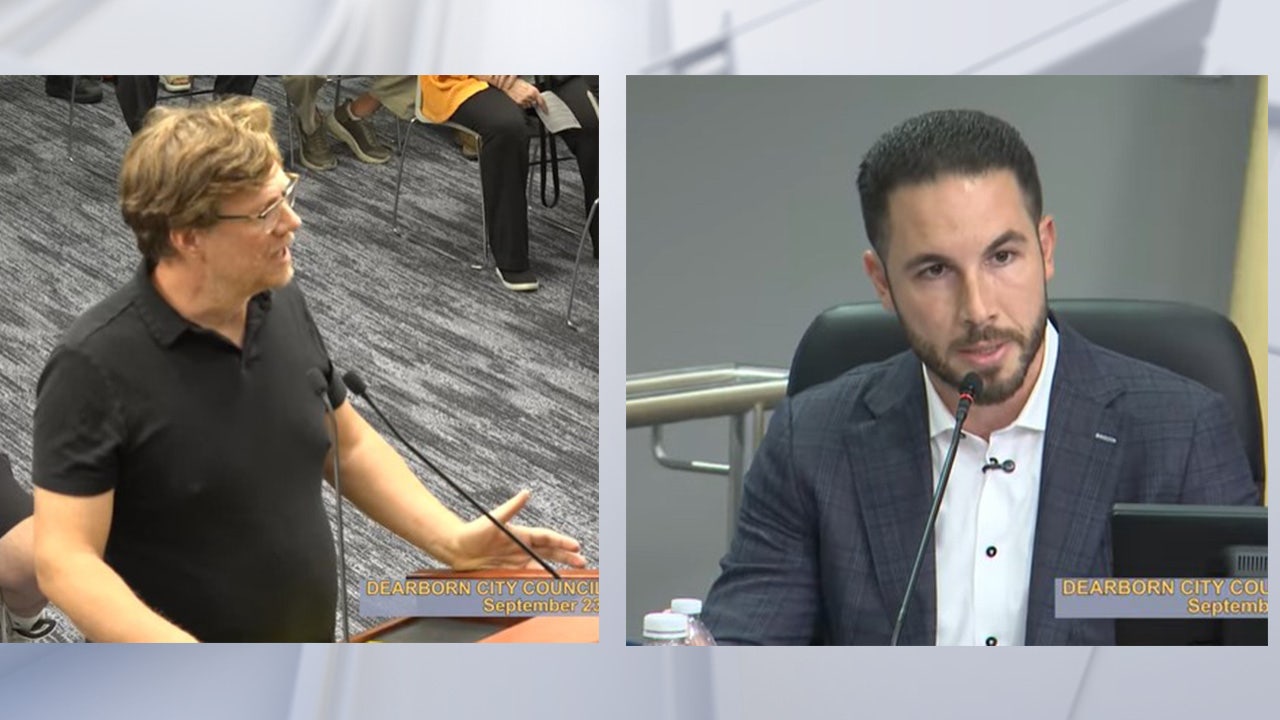
Who Is the Current Dearborn Michigan Mayor?
The current Dearborn Michigan mayor is Abdullah H. Hammoud, a local political leader who has built his career around public policy and community service. The City of Dearborn identifies him as the city’s seventh mayor. His connection to the community is particularly significant because he grew up in Dearborn and attended Dearborn Public Schools before pursuing higher education at the University of Michigan.
According to his official municipal biography, Hammoud earned a bachelor’s degree in science and master’s degrees in business administration and public health. His educational background connects several areas of municipal leadership, including financial management, healthcare policy, and the organisation of public services. Although academic qualifications alone cannot determine whether an administration succeeds, they provide useful context for understanding the professional experience a mayor brings to the role.
Hammoud first won election as mayor in November 2021. He took office with priorities that included improving public services, investing in parks, supporting economic development, and making public health a consideration across city policies. His re-election in November 2025 gave him a second four-year term, beginning with the city’s inauguration ceremony on 10 January 2026. The ceremony also marked the beginning of a new City Council term.

His position places him at the centre of municipal decision-making, but the mayor does not govern alone. City departments, elected council members, public employees, community organisations, businesses, and residents all influence how local priorities become practical results. This distinction matters when evaluating the mayor’s record: some decisions fall directly within the administration’s responsibilities, while others require legislation, cooperation, funding, or approval from additional authorities.

Abdullah Hammoud’s Early Life, Education, and Professional Background
Abdullah Hammoud’s background is closely connected to Dearborn itself. Raised by working-class immigrant parents, he grew up in a community shaped by manufacturing, working families, cultural diversity, and long-standing neighbourhood relationships. That personal connection provides an important part of the context behind his public identity and emphasis on serving residents across the city.
His education at the University of Michigan helped prepare him for work involving public policy and organisational decision-making. Public health training focuses on the conditions that influence people’s health beyond individual medical treatment, including environmental quality, prevention, access to services, and community wellbeing. Business administration, meanwhile, offers a foundation for understanding budgets, resource allocation, and organisational performance. These disciplines can be relevant when a local government must decide how to divide limited resources between competing needs.
Before becoming mayor, Hammoud worked in healthcare-related roles and served as a member of the Michigan House of Representatives. His professional experience included work connected with healthcare research, health systems, and public policy. In the legislature, he represented the 15th District and supported initiatives relating to air quality, education, healthcare access, and economic development.
This background helps explain several themes associated with the https://celebrityfocus.co.uk/. Environmental health, government efficiency, and economic opportunity are not isolated subjects: they can influence one another. For example, reducing pollution may improve residents’ quality of life, while better public spaces can encourage physical activity and community interaction. Similarly, efficient municipal administration can make it easier for businesses and residents to access permits, information, and public services.
How the Dearborn Mayoral Election Works
Dearborn’s mayor is elected by the city’s voters and serves alongside a seven-member City Council. According to the municipal government’s official description, the mayor and council members serve four-year terms. The city also elects a clerk and judges for the 19th District Court, forming part of the broader local governmental structure.
Hammoud’s initial election took place in November 2021, and he secured another term in the November 2025 election. The subsequent January 2026 inauguration formally began the new term for the mayor and other elected officials. The election is important because municipal government decisions can affect matters residents encounter every day, including road conditions, local parks, policing, fire protection, development projects, and the management of public funds.
Local elections also give voters an opportunity to assess how well elected officials have responded to community concerns. Someone evaluating the Dearborn Michigan mayor might consider whether neighbourhood infrastructure has improved, whether public money is being used transparently, whether development benefits existing residents, and whether city services are accessible and responsive.
These questions are more useful than judging a mayor solely by campaign promises or political headlines. A responsible assessment considers documented achievements, financial commitments, measurable outcomes, unresolved problems, and the practical limits of municipal authority. It also recognises that improvements in areas such as flood prevention and infrastructure can take years to complete, even when work begins during a single mayoral term.
Key Facts About the Dearborn Michigan Mayor
The following table summarises essential information about Abdullah Hammoud and the structure of the local government he leads. The details are drawn from official city and Michigan legislative sources.
| Category | Key information |
|---|---|
| Current mayor | Abdullah H. Hammoud |
| City | Dearborn, Michigan, United States |
| First elected mayor | November 2021 |
| Second term began | January 2026 |
| Re-election | November 2025 |
| Previous elected office | Michigan House of Representatives, 15th District |
| Education | Bachelor’s degree in science; master’s degrees in business administration and public health |
| Local government structure | Mayor and seven-member City Council |
| Mayoral term | Four years |
| Major policy areas | Parks, public health, public safety, economic development, infrastructure, and flood preparedness |
| Official contact | Mayor’s Office, City of Dearborn |
The city government’s official biography and 2026 inauguration announcement provide the basis for these details. Readers seeking the latest announcements, administrative contacts, and public meeting information can consult the City of Dearborn’s official mayoral website.
The table is a useful starting point, but it does not tell the whole story. Municipal leadership involves translating broad priorities into budgets, contracts, staffing decisions, public works, and services that operate reliably. For residents, the real test is how those decisions affect daily life and whether the administration communicates progress honestly.
Parks, Recreation, and Neighbourhood Improvements
Investment in parks and recreation has been one of the prominent priorities of the Dearborn Michigan mayor. Public parks are more than decorative green spaces; they provide places where children can play, older residents can exercise, families can gather, and neighbours can develop stronger community connections. Well-maintained parks can also improve the appearance of residential areas and make neighbourhoods more attractive to visitors and prospective residents.
During his first term, Hammoud’s administration reported investing more than $30 million in park improvements. In his January 2026 inauguration remarks, he highlighted work to expand green spaces, improve accessibility, and strengthen recreational opportunities throughout the city. These figures represent investments reported by the administration, rather than an independent assessment of every project’s final impact.
The practical benefits of park investment depend on how projects are designed and maintained. A renovated playground, for example, is most valuable when children can use it safely, equipment remains in good condition, and the surrounding paths are accessible. Sports facilities, walking trails, picnic areas, and community gathering spaces can serve different age groups and encourage residents to spend more time outdoors.
However, park development also creates ongoing responsibilities. The city must budget for maintenance, repairs, landscaping, accessibility improvements, and the replacement of ageing equipment. Residents can evaluate the administration’s progress by looking at whether improvements are distributed across different neighbourhoods and whether facilities remain usable after the initial construction work is completed.
Flood Prevention and Infrastructure Challenges
Flood preparedness is one of the most significant infrastructure issues facing Dearborn. Heavy rainfall can overwhelm drainage systems, damage homes, interrupt transport, and place pressure on emergency services. For homeowners and renters, flooding can mean expensive repairs, damaged belongings, disrupted routines, and concerns about whether a property will remain safe during future storms.
The Dearborn Michigan mayor has made flood mitigation a major policy priority. At the 2026 inauguration, Hammoud stated that the city had invested more than $25 million in flood preparedness and was advancing longer-term solutions to protect neighbourhoods. This announcement demonstrates the scale of the administration’s stated commitment, although the amount invested should not be confused with a guarantee that future flooding will be prevented.
Flood management requires several layers of planning. Local authorities may need to assess drainage capacity, maintain stormwater infrastructure, coordinate with regional agencies, and identify locations where water repeatedly accumulates. Large infrastructure projects can take considerable time because they require engineering assessments, permits, funding, construction, and coordination with utility providers.
For residents, the difference between immediate relief and long-term prevention is especially important. Clearing drains and responding to an emergency may help reduce immediate disruption, but preventing repeated flooding can require substantial investment in underground infrastructure and wider drainage improvements. A successful strategy therefore needs both responsive emergency services and carefully planned capital projects.
Homeowners can also benefit from staying informed about local flood guidance, understanding their property’s risks, and documenting damage when an incident occurs. Municipal investment and household preparedness are complementary rather than competing approaches. Even with improved public infrastructure, extreme weather can create risks that no single city can eliminate completely.
Economic Development and Dearborn’s Business Community
Economic development is another central responsibility of the Dearborn Michigan mayor. A healthy local economy supports employment, strengthens the municipal tax base, encourages private investment, and helps sustain the public services that residents rely on. Dearborn’s economic identity is closely associated with the automotive industry, particularly its long-standing relationship with Ford Motor Company, as well as its small businesses, restaurants, professional services, and commercial districts.
Hammoud’s administration has emphasised cooperation between city government, local businesses, educational institutions, and community organisations. Such partnerships can help coordinate workforce development, support investment, and identify practical barriers to business growth. For a small business owner, the effectiveness of local government may be measured by how clearly officials explain licensing requirements, how efficiently permits are handled, and how well public spaces support commercial activity.
The city’s connection with Ford is particularly relevant to its economic outlook. At the January 2026 inauguration, Hammoud referenced the company’s commitment to Dearborn and the opening of its new global headquarters, known as the Henry Ford II World Center. Major corporate investment can generate opportunities for suppliers, nearby restaurants, professional services, and workers, although the benefits vary across industries and neighbourhoods.
At the same time, a strong local economy must extend beyond a single major employer. Independent retailers, family-owned businesses, start-ups, and service providers also contribute to the city’s economic resilience. Encouraging a diverse business base can help communities adapt when industries change, consumer habits shift, or employers reorganise their operations.
An important measure of economic leadership is whether growth improves the broader community. New investment may increase employment and commercial activity, but residents also need affordable housing, reliable infrastructure, safe streets, and accessible services. The challenge is to support development while ensuring that the benefits are not concentrated in only a small number of locations or groups.
Public Safety, Police, and Fire Services
Public safety affects almost every aspect of urban life. Residents want to feel secure walking through their neighbourhoods, travelling to work, visiting public parks, and attending community events. Businesses also depend on safe commercial districts, while emergency response services must be prepared to handle fires, medical emergencies, traffic incidents, and other urgent situations.
The Dearborn Michigan mayor has identified public safety as a major administrative priority. During his January 2026 inauguration remarks, Hammoud highlighted staffing levels in the police and fire departments, increased traffic enforcement, and a reported decline in traffic accidents. These are claims presented by the administration; a full evaluation would require reviewing comparable departmental staffing figures, traffic statistics, response times, and other relevant public records.
Police and fire departments need more than personnel numbers to operate effectively. Training, equipment, dispatch systems, emergency planning, community communication, and staff retention all contribute to service quality. For example, traffic enforcement can help discourage dangerous driving, but safer streets may also require improved road design, visible crossings, better signage, and appropriate speed management.
Transparency is essential when evaluating public safety. Residents benefit from clear reporting on crime trends, emergency response performance, traffic collisions, departmental spending, and community engagement. Reliable comparisons should use consistent time periods and account for changes in population, reporting practices, and other factors that can affect statistics.
Public safety also involves building trust between residents and government. Accessible complaint procedures, clear communication during emergencies, and meaningful engagement with different neighbourhoods can help officials identify concerns before they become larger problems. The most effective approach combines enforcement with prevention, preparedness, accountability, and cooperation.
Public Health and Environmental Policy
Public health is an important part of Hammoud’s leadership approach, reflecting his professional background in healthcare and public policy. Local government decisions can influence health in ways that are not always obvious. Air quality, access to green spaces, road safety, housing conditions, waste management, and the availability of community facilities can all affect people’s daily wellbeing.
The city identifies the integration of public health into policy as one of the administration’s priorities. This approach recognises that health outcomes are influenced not only by hospitals and doctors but also by the places where people live, work, study, and travel. A neighbourhood with safe walking routes and accessible parks, for example, can make everyday physical activity easier for residents of different ages.
Environmental quality is particularly relevant in a city with a major industrial heritage. Hammoud previously advocated for stronger environmental protections during his time in the Michigan Legislature, including initiatives relating to air quality. His municipal leadership has continued to place environmental health among the subjects addressed by local policy.
Turning environmental commitments into meaningful results requires reliable monitoring and clear reporting. Residents need information about pollution concerns, environmental programmes, infrastructure improvements, and the agencies responsible for particular issues. Some matters can be addressed locally, while others require cooperation with county, state, or federal authorities.
The strongest public health strategies also recognise differences in residents’ circumstances. Older people, children, people with disabilities, and households with limited resources may experience environmental and infrastructure problems differently. Accessible public spaces, understandable health information, and responsive municipal services can help ensure that improvements reach residents who need them most.
Housing Affordability and Future Urban Development
Housing is an increasingly important issue for cities seeking to attract workers, support families, and maintain long-term economic stability. Even when an area creates jobs and attracts investment, high housing costs can make it difficult for employees to live near their workplaces. Renters may face rising expenses, while prospective homeowners may struggle to save enough for a deposit.
The Dearborn Michigan mayor has identified increasing housing availability and affordability as priorities for his second term. During the January 2026 inauguration, Hammoud discussed plans to build more housing and improve its availability. This establishes a stated policy direction, but it should not be interpreted as proof that housing costs have already fallen or that every resident can now find affordable accommodation.
Housing policy often involves difficult trade-offs. Increasing the supply of homes can help address shortages, but new development must also be considered alongside traffic, parking, drainage, public services, neighbourhood design, and environmental requirements. Residents may welcome additional housing while still wanting assurance that projects are appropriately designed and that existing infrastructure can support population growth.
A useful approach involves looking at both the quantity and type of housing available. Families may need larger homes, while young professionals, older residents, and people living alone may benefit from smaller properties or accessible apartments. A diverse housing supply can give residents more opportunities to remain in the community as their circumstances change.
The city’s progress should ultimately be assessed through measurable outcomes, including housing construction, affordability indicators, development approvals, and the availability of homes suited to different household needs. Clear information helps residents understand whether policies are producing practical improvements rather than simply generating announcements.
Community Engagement and Government Transparency
A mayor’s responsibilities extend beyond managing departments and approving administrative priorities. Effective local leadership also depends on listening to residents, explaining decisions, and creating opportunities for people to participate in civic life. Community engagement can reveal problems that official reports do not fully capture, such as persistent drainage issues on a particular street, difficulty accessing municipal services, or concerns about a proposed development.
The Dearborn Michigan mayor has promoted neighbourhood walks and public meetings as ways to connect city leadership with residents. The city’s official mayoral website provides information about neighbourhood walks, while a March 2026 announcement publicised a town hall meeting covering municipal projects, flood mitigation, the city budget, and public safety. These activities provide channels for residents to learn about city operations and communicate their concerns.
Town halls and neighbourhood meetings are most valuable when they lead to clear follow-up. If residents report a recurring infrastructure problem, for example, they should be able to understand which department is responsible, whether an inspection will take place, and what factors determine the timing of repairs. Public engagement becomes more meaningful when officials explain both what can be done and what limitations may delay a solution.
Transparency also involves access to budgets, meeting agendas, ordinances, public notices, and project updates. Residents do not need to agree with every municipal decision to benefit from a process that explains the evidence, costs, and reasoning behind it. Accessible information makes it easier for voters, journalists, community groups, and businesses to evaluate the administration’s performance.
For anyone following the Dearborn Michigan mayor, official city announcements are a useful starting point for distinguishing documented decisions from campaign commentary or social media speculation. Reviewing original records also helps readers understand the difference between a proposed initiative, an approved budget allocation, a project under construction, and a completed result.
Dearborn’s Cultural Diversity and Inclusive Leadership
Dearborn is widely recognised for its cultural diversity and its substantial Arab American community. Its identity has developed through generations of immigration, industrial employment, family businesses, educational institutions, and neighbourhood traditions. This diversity shapes local public life, from restaurants and cultural events to religious institutions, community organisations, and small businesses.
Hammoud’s background as the son of immigrant parents and a lifelong Dearborn resident forms part of his public identity. His administration has described its goal as creating an inclusive community in which residents throughout the city can participate in local progress. However, inclusive leadership should be evaluated through policies, services, public communication, and fair treatment rather than personal background alone.
A diverse city government must respond to residents with different cultural traditions, religious beliefs, political opinions, and expectations of public institutions. Effective communication can help make public services more accessible, particularly when residents face language barriers or are unfamiliar with local administrative procedures. Community organisations can also help officials understand concerns and communicate important information.
Religious and cultural inclusion can sometimes become a subject of political disagreement. In such circumstances, public officials have a responsibility to uphold equal treatment, respect constitutional rights, and explain how municipal decisions are made. Residents may reasonably disagree about particular displays, events, or public expenditures, but claims about discrimination or unequal treatment should be assessed using reliable evidence and the relevant legal standards.
The wider lesson is that a city’s diversity creates both opportunities and responsibilities. Cultural exchange can strengthen local businesses, community relationships, and civic participation, while fair and transparent government helps residents trust that municipal services are delivered without improper favouritism. The Dearborn Michigan mayor therefore operates in a political environment where community relationships and public accountability are both important.
The Mayor’s Relationship With the Dearborn City Council
The mayor and City Council have distinct but connected responsibilities. The mayor leads the executive administration, while the seven-member council participates in policymaking, legislation, and oversight of city finances. Their cooperation is important because many municipal priorities require both administrative implementation and decisions made through the city’s legislative process.
The 2026 inauguration brought Hammoud and the newly elected council leadership into office for the new term. Michael T. Sareini continued as council president, and the council included Kamal Alsawafy, Mustapha Hammoud, Robert Abraham, Ken Paris, Gary Enos, and Devon O’Reilly. The combination of executive leadership and a seven-member council creates a structure in which proposals, spending priorities, and public concerns can be considered through more than one elected office.
This relationship matters when a project requires significant public funding. An administration may identify a need for improved infrastructure, develop a proposal, and coordinate with relevant departments, but the process may also require council action, financial review, public consultation, or other approvals. Understanding these stages helps residents avoid assuming that every delay or disagreement rests solely with the mayor.
Healthy cooperation does not mean that officials must agree on every issue. Council scrutiny can help identify financial risks, question project assumptions, and improve accountability. Equally, clear executive planning can help translate approved policies into practical services. The objective is to maintain a functioning system in which public resources are used responsibly and the interests of residents remain central.
Challenges Facing the Dearborn Michigan Mayor in 2026
Despite the administration’s stated investments and policy priorities, significant challenges remain. Flood preparedness requires long-term infrastructure planning, housing affordability involves complicated market conditions, and economic development must be balanced against the needs of existing residents. These issues cannot be resolved through a single announcement or a short-term spending decision.
The Dearborn Michigan mayor must also work within financial and legal constraints. Municipal budgets have to support everyday operations as well as long-term capital projects. Police and fire services need appropriate staffing and equipment, roads and drainage systems require maintenance, and parks must remain safe and accessible. Allocating money to one priority can limit what is immediately available for another.
Another challenge is measuring success fairly. A large infrastructure investment is an important input, but its value ultimately depends on what it accomplishes. For flood prevention, that means examining system performance and neighbourhood vulnerability. For housing, it means assessing supply and affordability. For public safety, it means considering reliable trends alongside staffing, response times, and community confidence.
Residents can also help improve accountability by attending public meetings, reviewing municipal records, reporting local problems through official channels, and participating in elections. Civic involvement does not require agreeing with the mayor or any particular political party. It simply recognises that local government works best when residents understand the process and communicate their priorities.
The central challenge for Hammoud’s second term is to turn announced investments and stated ambitions into sustained, demonstrable improvements. That includes completing projects responsibly, communicating progress clearly, addressing setbacks honestly, and ensuring that benefits reach neighbourhoods across the city.
How to Contact the Dearborn Mayor’s Office
Residents seeking information about municipal projects, public events, or the administration’s priorities can use the official City of Dearborn website. The mayor’s page provides biographical information, details about neighbourhood walks, and a route for contacting the mayor’s office. It also directs residents towards information about city departments and related municipal services.
For general city information, the Dearborn Administrative Center is located at 16901 Michigan Avenue, Dearborn, Michigan 48126. The city lists its regular administrative hours as Monday through Friday, from 8 a.m. to 5 p.m. Its general contact numbers include 311 and 313-943-2150, while the mayor’s office can be reached at 313-943-2300. Residents should confirm current contact arrangements through the city’s official website before making a special trip or attending an event.
When contacting the Dearborn Michigan mayor, it helps to provide a concise description of the issue, the relevant location, and any useful supporting information. For a drainage concern, for example, residents can identify the affected street and describe when the problem occurs. For a question about a development proposal, they can refer to the project name or public meeting where it was discussed.
It is also important to distinguish between matters handled by the mayor’s office and those assigned to individual departments. A routine service request may be resolved more quickly through the appropriate municipal department, while broader policy concerns may be suitable for a public meeting or direct communication with the administration. Using official channels helps create a clearer record and makes it easier to track responses.
What the Dearborn Michigan Mayor Has Said About the City’s Future
The administration’s priorities for the next four years include housing, public health, neighbourhood improvements, community events, and the continued development of public spaces. These priorities reflect the reality that successful city leadership involves both maintaining essential services and preparing for future needs.
At the January 2026 inauguration, Hammoud summarised his outlook by saying, “Looking ahead, the work continues.” He connected that outlook to plans for more housing, stronger public health efforts, greener neighbourhoods, expanded community events, and spaces where residents can gather. The statement captures the administration’s stated direction, although the success of these commitments will depend on implementation, funding, and measurable results.
For residents, the most meaningful indicators of progress will be practical improvements. These might include neighbourhoods that are better protected against flooding, parks that remain well maintained, housing options that meet different needs, and public services that respond effectively to residents. Each of these outcomes requires sustained work rather than a single policy announcement.
The Dearborn Michigan mayor will also need to balance immediate demands against longer-term investment. Repairing a damaged road or responding to an emergency may require urgent action, while major drainage projects and housing initiatives can take years. Explaining those differences clearly can help residents understand what is happening, why timelines vary, and how public money is being used.
Frequently Asked Questions About the Dearborn Michigan Mayor
Who is the current Dearborn Michigan mayor?
The current Dearborn Michigan mayor is Abdullah H. Hammoud. He was first elected in November 2021 and won re-election in November 2025, beginning his second term in January 2026. Before becoming mayor, he represented Michigan’s 15th House District and worked in healthcare-related roles. His administration has highlighted public health, parks, economic development, public safety, and flood preparedness as important policy areas.
When did Abdullah Hammoud begin his second term as mayor?
Abdullah Hammoud began his second term on 10 January 2026, when Dearborn held its inauguration ceremony for the mayor, City Council, and city clerk. The ceremony followed the November 2025 municipal election and marked the beginning of a new four-year term for the city’s elected leadership. The official city announcement also outlined several priorities for the administration’s next term.
What are the main responsibilities of the Dearborn mayor?
The mayor leads the city’s executive administration and works with municipal departments to deliver public services. Responsibilities include coordinating city operations, implementing policies, managing administrative priorities, and working with the City Council on matters requiring legislative action or financial approval. The mayor’s office also helps communicate city initiatives and engage with residents. The precise authority for a particular decision depends on Dearborn’s charter, applicable law, and the responsibilities assigned to other elected officials and departments.
What are Abdullah Hammoud’s main priorities for Dearborn?
The administration has emphasised flood preparedness, parks and recreation, public health, economic development, public safety, and neighbourhood improvements. For his second term, Hammoud has also highlighted the need for more housing, greater affordability, greener neighbourhoods, and community spaces. These are stated priorities rather than guarantees of particular outcomes. Residents can monitor progress through official announcements, public meetings, project updates, and municipal budget information.
How can residents contact the Dearborn Michigan mayor?
Residents can contact the mayor’s office through the official City of Dearborn website or by calling 313-943-2300. For general municipal information, the city lists 311 and 313-943-2150 as contact numbers. The Dearborn Administrative Center is located at 16901 Michigan Avenue, Dearborn, Michigan 48126. Residents should use the official municipal website to confirm current contact details and find the appropriate department for specific service requests.
How does the Dearborn mayor work with the City Council?
The mayor and the seven-member City Council share important responsibilities in local government, although their roles are different. The mayor leads the executive administration, while the council participates in policymaking, legislation, and financial oversight. Cooperation is particularly important when projects require public funding, legislative approval, or coordination between departments. Council scrutiny and public participation can also help residents understand how municipal decisions are made.
What are the biggest challenges facing Dearborn in 2026?
Important challenges include reducing flood risks, maintaining ageing infrastructure, supporting public safety, improving housing affordability, and encouraging economic growth. Each issue requires careful planning and financial resources. Flood mitigation, for example, can involve complex engineering and construction, while housing affordability depends on supply, demand, development policy, and broader economic conditions. The administration’s progress should therefore be assessed through documented results as well as announced investments and future plans.
Conclusion: The Future of Dearborn Under Abdullah Hammoud
The Dearborn Michigan mayor occupies a position that directly influences the city’s services, infrastructure, neighbourhood development, and long-term priorities. Abdullah Hammoud’s background in public health, business administration, and state politics provides important context for understanding his approach to municipal leadership. His first term included reported investments in parks and flood preparedness, while his second term has brought renewed attention to housing, environmental health, public safety, and community development.
His administration’s stated goals reflect several of Dearborn’s most important challenges. Protecting neighbourhoods from flooding requires sustained infrastructure investment, while maintaining a strong local economy involves supporting both major employers and smaller businesses. Housing development must respond to affordability concerns, and public safety initiatives need to be supported by reliable data, effective services, and public trust.
Ultimately, the success of the Dearborn Michigan mayor should be measured not simply by campaign commitments, political recognition, or the size of announced investments, but by what residents experience over time. Safer streets, well-maintained parks, improved infrastructure, accessible services, and realistic housing opportunities are tangible indicators of effective local government.
For anyone following Dearborn’s political future, the most useful approach is to examine official records, evaluate measurable outcomes, and understand how the mayor, City Council, municipal departments, and residents work together. The lasting measure of leadership is whether public commitments become practical, equitable, and sustainable improvements in everyday life.