


Kathryn Blair is a British barrister whose professional career focuses on family law, children’s welfare, adoption, and the protection of vulnerable people. She is also widely associated with one of Britain’s most recognisable political families as the daughter of former prime minister Tony Blair and barrister Cherie Blair. Although her family background attracts public interest, her professional life has developed primarily within the legal system rather than party politics or celebrity culture.
Interest in Kathryn Blair https://www.google.com/search?sca_esv=732c30e72755a450&sxsr foften comes from people wanting to understand more about the Blair family, including the lives and careers of Tony Blair’s children. However, her own professional achievements provide an important part of the story. She has built a career at the English Bar, working on legal matters that can affect children, parents, families, and adults who require protection or representation.

Understanding Kathryn Blair means looking beyond her surname. Her education, early experience with charities, legal training, and work at New Court Chambers offer a clearer picture of her professional identity. Public information about her career is available through recognised legal directories and professional records, while many aspects of her private life remain outside the public domain. This distinction is important for anyone seeking a reliable biography rather than a collection of unverified online claims.
Kathryn Blair is a practising English barrister associated with New Court Chambers in London. Her professional specialisms include public-law children proceedings, adoption, wardship, Court of Protection matters, and deprivation-of-liberty cases. According to her official chambers profile, she represents a range of clients, including local authorities, parents, children’s guardians, and wider family members.
A barrister is a legal professional who provides specialist advice and representation, often in court proceedings. In family law, this work can involve complicated questions about a child’s safety, parental responsibility, adoption, or the arrangements needed to protect someone who may be vulnerable. The role requires legal knowledge, careful preparation, and the ability to explain complex issues clearly.
Kathryn’s professional profile is particularly relevant because it shows that her career is centred on legal practice rather than public appearances. While her connection to the Blair family naturally creates curiosity, her work involves the practical application of law to individual circumstances. Cases involving children and families are often sensitive, and the people involved may be dealing with significant emotional, financial, or personal difficulties.
Her career therefore provides a different perspective on the Blair family name. Rather than pursuing a political position or building a celebrity profile, Kathryn has established herself in a specialist area of the legal profession. Her professional record, rather than speculation about her personal circumstances, offers the strongest foundation for understanding who she is.
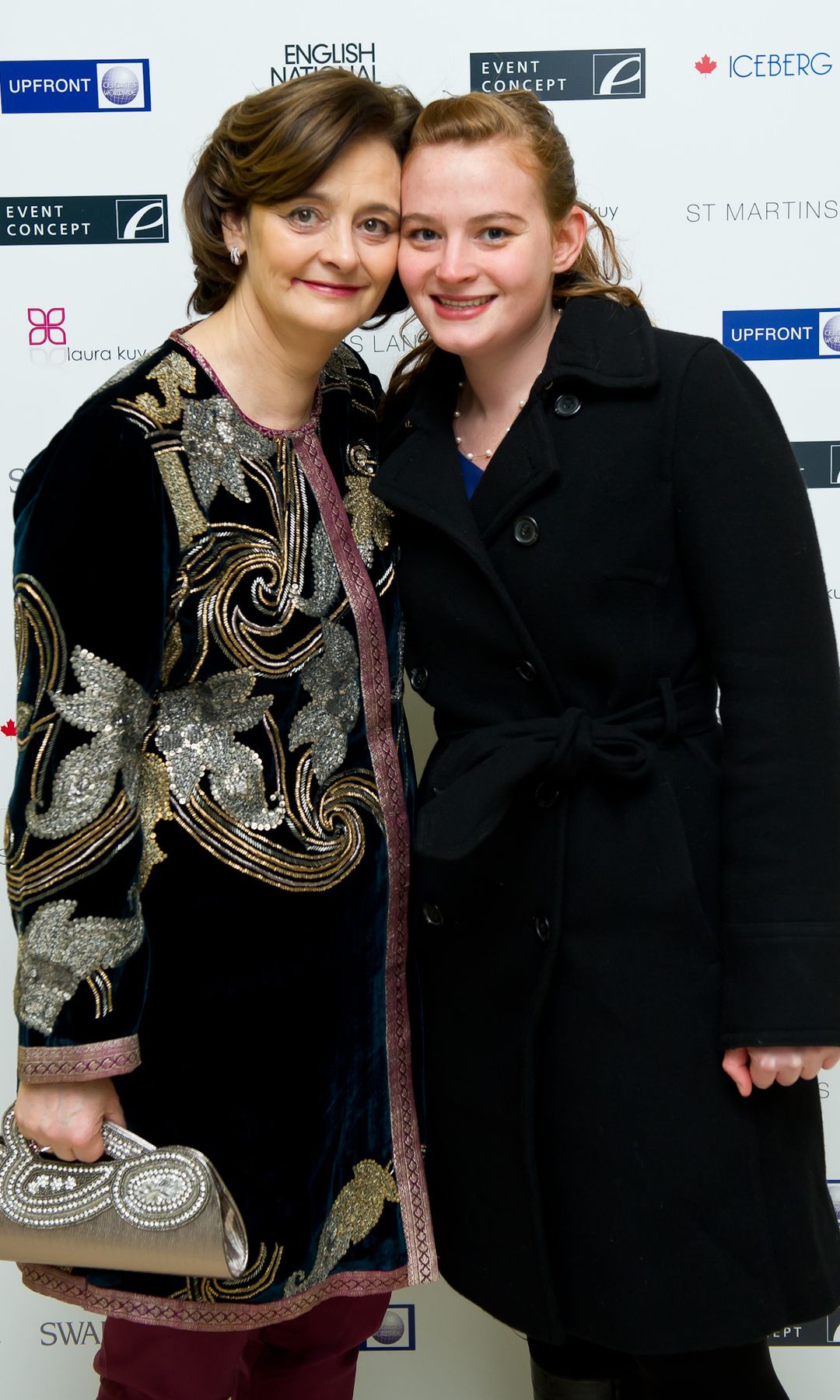
Kathryn Blair’s Family Background and Connection to Tony Blair
Kathryn Blair is known publicly as the daughter of Tony Blair, who served as prime minister of the United Kingdom from 1997 to 2007, and Cherie Blair, a prominent barrister. Tony Blair led the Labour Party during a significant period in modern British politics, while Cherie built her own legal career. Their professional achievements placed the family in the public eye for many years.
When Tony Blair became prime minister, his family attracted considerable media attention. Life connected with Downing Street brought public duties, security arrangements, and scrutiny that most families do not experience. The interest extended beyond the prime minister himself to his wife and children, making the Blair family a familiar part of Britain’s political landscape.
However, being born into a prominent family does not mean that every member chooses a public career. Children of politicians may pursue business, law, education, or other professions, often with different levels of interest in public life. Kathryn’s legal career illustrates how an individual can develop a professional identity separate from the political position held by a parent.
It is also important to distinguish public facts from assumptions. Her relationship to Tony Blair explains why people search for her biography, but it does not establish her political beliefs, private relationships, or personal opinions. Those subjects require separate evidence and should not be inferred simply from her family connections.

Kathryn Blair’s Parents and Siblings
Kathryn’s parents are Tony Blair and Cherie Blair. Her father’s public career involved leading the UK government, while her mother developed a longstanding reputation in the legal profession. Their careers provide useful context for understanding why law and public affairs are associated with the Blair family, although family influence alone cannot explain every individual career decision.
Kathryn has three brothers: Euan Blair, Nicky Blair, and Leo Blair. The Blair siblings have attracted varying degrees of public attention over the years, partly because of their father’s political career. Euan has become known for his business activities, while information about the other siblings is more limited in comparison with the extensive public record surrounding their parents.
The family’s public profile also highlights the difference between professional recognition and celebrity. Tony Blair’s role as prime minister generated extensive reporting, while Cherie Blair’s legal work established a separate public identity. Their children, however, have not all followed the same path or chosen the same degree of public visibility.
For readers researching https://celebrityfocus.co.uk/, the most useful approach is to treat her family background as context rather than the central definition of her life. Her legal work can be examined through professional sources, while personal details should be included only where reliable information is available.
Kathryn Blair’s Education and Legal Training
Education is an important part of understanding Kathryn Blair’s route into the legal profession. According to her professional biography published by Legal 500, she studied Law with European Legal Studies at King’s College London. The programme included a year studying in Strasbourg, giving her an academic experience that extended beyond the domestic legal environment.
Studying law requires more than learning legislation and memorising legal principles. Students must develop analytical reasoning, research skills, clear written communication, and the ability to apply legal rules to specific facts. European legal studies can also introduce students to the relationships between different legal systems and the challenges that arise when cases involve more than one jurisdiction.
After her legal studies, Kathryn completed the Bar Professional Training Course, historically known as the BPTC, at the College of Law. She also undertook a diploma in Forensic Medical Sciences at the Academy of Forensic Medical Sciences, according to the same professional profile.
This additional qualification is notable because legal proceedings can sometimes involve medical evidence. In family cases, for example, professionals may need to consider medical reports, injuries, developmental needs, or questions about a person’s capacity. A legal practitioner must understand the boundaries of their own expertise while being able to assess specialist evidence carefully.
Her education illustrates the structured preparation required to practise at the Bar. Academic study provides the foundation, professional training develops practical skills, and subsequent experience helps a barrister learn how to manage cases, advise clients, and represent different parties effectively.
How Kathryn Blair Began Her Career at the Bar
Kathryn Blair was called to the Bar in July 2012 and is associated with Lincoln’s Inn, according to the official Barristers’ Register maintained by the Bar Standards Board. The register also identifies her as a practising barrister and lists her principal practice address at New Court Chambers in London.
Being called to the Bar is an important professional milestone, but it does not mean that a barrister immediately develops a fully independent practice. Newly qualified barristers ordinarily undertake pupillage, a period of practical training under experienced members of the profession. During this stage, they observe hearings, prepare legal documents, learn advocacy techniques, and develop professional judgement.
Kathryn joined New Court Chambers as a pupil in October 2014 and later became a tenant in 2015, according to professional information published by Family Law and New Court Chambers. Becoming a tenant means joining chambers as an established member, operating within the professional structure used by many self-employed barristers in England and Wales.
The transition from legal education to courtroom practice can be challenging. A barrister must learn to identify the most important issues in a case, understand the evidence, advise clients about realistic outcomes, and present arguments clearly. In family proceedings, this must be done while recognising that decisions may have lasting effects on children and their relatives.
Kathryn’s career progression shows the value of formal training and practical experience. Her professional standing can be checked through the Bar Standards Board, while her chambers profile provides further information about her specialisms and current professional work.
Kathryn Blair’s Work in Family Law
Family law covers legal disputes and decisions involving relationships, children, parental responsibility, and other family-related matters. Within this broad field, Kathryn Blair focuses particularly on public-law children cases, adoption, wardship, and related areas. Her official profile states that she acts for local authorities, parents, children’s guardians, and wider family members.
Public-law children proceedings often arise when a local authority believes that a child may need legal protection. Such cases can involve questions about safeguarding, parental care, possible neglect, or whether a child should live somewhere else. The court must examine the evidence and apply the relevant legal tests before making decisions that may have profound consequences for a family.
Barristers working in this area need to understand both the law and the realities of family proceedings. A parent may be worried about losing contact with a child, a local authority may be concerned about safety, and a child’s guardian may be responsible for representing the child’s interests. Each party can have a different perspective, making careful legal analysis essential.
Kathryn’s work also includes adoption and wardship. Adoption is a legal process that establishes a new parental relationship, while wardship is a form of court jurisdiction used in particular circumstances to protect a child. These matters can be emotionally difficult and legally complex, which is why specialist advice and representation are important.
The professional significance of this work lies in its direct effect on people’s lives. Unlike areas of law that focus mainly on commercial transactions, family proceedings can involve personal relationships, safety, identity, and long-term welfare. A barrister must combine detailed legal preparation with an understanding of the sensitivity of the circumstances.
What Is the Court of Protection, and Why Does It Matter?
The Court of Protection is an important part of England and Wales’s legal system. It deals with decisions concerning people who may lack the mental capacity to make particular decisions for themselves. Its work can involve questions about health, welfare, property, and financial affairs, depending on the circumstances of a case.
Kathryn Blair’s official chambers profile identifies Court of Protection work as one of her areas of specialisation. This means her professional practice extends beyond conventional disputes between parents or other family members. It also includes legal questions concerning vulnerable individuals and the safeguards needed when decision-making capacity is in issue.
The concept of mental capacity is decision-specific. A person may be able to make some decisions but struggle to understand or weigh the information needed for another, more complicated decision. Legal proceedings must therefore consider the particular circumstances rather than assume that a person is incapable of making every choice.
For example, a case might require the court to examine whether someone can understand information relevant to a proposed care arrangement. The legal process must consider the evidence and the person’s rights, preferences, and circumstances. It is not simply a matter of allowing other people to make decisions because they believe they know what is best.
Court of Protection cases can require careful coordination between legal professionals, medical experts, family members, and public bodies. A barrister working in this field must understand the legal framework while recognising the importance of individual rights and appropriate safeguards.
Adoption, Wardship and Deprivation of Liberty
Adoption is one of the most significant areas of family law because it changes a child’s legal relationship with their birth family and establishes a new parental relationship. Adoption proceedings involve careful consideration of the child’s welfare and the applicable legal requirements. They are not simply administrative arrangements; they can shape a person’s family identity and future for life.
Wardship is another specialist area associated with Kathryn Blair’s practice. It allows the High Court to exercise protective jurisdiction over a child in circumstances where court intervention is necessary. Such proceedings may involve difficult questions about a child’s welfare, safety, or circumstances that require judicial oversight.
Deprivation-of-liberty cases raise a different set of issues. They concern circumstances in which a person’s freedom may be restricted, subject to the relevant legal framework and safeguards. When children or vulnerable individuals are involved, courts must consider the legal authority for restrictions and whether the arrangements are justified in the circumstances.
These subjects demonstrate why specialist legal representation matters. The same broad idea of protection can involve different legal tests depending on the person’s age, capacity, circumstances, and the type of decision being considered. An experienced practitioner must understand the distinctions rather than treat all welfare-related proceedings as interchangeable.
For readers researching Kathryn Blair, these practice areas offer a more informative picture of her professional life than general descriptions that focus only on her family name. They identify the legal questions she works with and the types of proceedings in which her expertise is relevant.
Kathryn Blair’s Early Work With Children’s Charities
Before establishing herself at the Bar, Kathryn Blair gained experience connected with children’s charities and family support. New Court Chambers states that she worked with organisations including the NSPCC, MOVE Europe, and Barnardo’s. This experience provides additional context for her later focus on children’s cases and family law.
The NSPCC is known for its work concerning child protection and the prevention of abuse. Barnardo’s is a children’s charity that has supported vulnerable children and young people in a variety of circumstances. Experience around organisations of this kind can expose professionals to safeguarding issues, family difficulties, and the importance of protecting children’s welfare.
Legal work and charitable work are different, but they can complement one another. Charities may support people directly, provide advice, develop educational programmes, or work to improve services. A barrister, by contrast, applies the law and represents clients in legal proceedings. Experience in a charitable environment may help a legal professional understand the practical challenges faced by families, although it does not replace formal legal training.
Kathryn also previously worked in the family department at Howard Kennedy FSI, according to Legal 500. Her work there included areas such as divorce, financial remedies, prenuptial agreements, and private-law disputes. This experience exposed her to a wider range of family-law issues before her practice became established at the Bar.
Taken together, these professional experiences suggest a career shaped by both legal training and work connected with families and children. They should not be treated as proof of unreported personal beliefs, but they do help explain the professional background behind her current specialisms.
Kathryn Blair’s Professional Profile at a Glance
The following table summarises the main publicly documented details about Kathryn Blair’s professional background. It distinguishes information available from legal and professional sources from personal details that should not be assumed.
| Category | Publicly documented information |
|---|---|
| Full professional name | Kathryn Hazel Blair |
| Profession | Barrister |
| Main professional base | New Court Chambers, London |
| Date called to the Bar | July 2012 |
| Inn of Court | Lincoln’s Inn |
| Legal education | Law with European Legal Studies at King’s College London |
| Professional training | Bar Professional Training Course at the College of Law |
| Additional qualification | Diploma in Forensic Medical Sciences |
| Main areas of practice | Family law, public-law children cases, adoption, wardship, Court of Protection |
| Earlier professional experience | Family-law work and experience with children’s charities |
| Regulatory status | Listed as practising by the Bar Standards Board |
| Publicly verified net worth | No reliable figure established |
The professional details in this table are based on information published by the Bar Standards Board, New Court Chambers, and Legal 500. Financial and personal details have not been included where a dependable public source could not establish them.
A table like this is useful because celebrity-related biographies often combine verified facts with claims copied from websites that may not provide evidence. Separating professional records from speculation helps readers understand what can be established and what remains uncertain.
Kathryn Blair’s Personal Life and Privacy
Public curiosity about Kathryn Blair often extends beyond her career to questions about her relationships, family life, and everyday activities. However, she has not built the same public-facing profile as her father, and the reliable information available about her focuses mainly on her professional work.
This difference matters. A person can be connected to a major political figure without choosing to make their private life a subject of public discussion. Family connections alone do not justify assumptions about marriage, children, friendships, political views, or personal circumstances.
A trustworthy biography should therefore avoid filling gaps with rumours. If a relationship, date, or family detail has not been confirmed by a credible source, it is better to identify the information as unverified than to present it as fact. This approach protects both accuracy and the individual’s privacy.
Readers can still learn a great deal about Kathryn Blair without relying on private details. Her professional training, practice areas, and public regulatory record offer verifiable information that explains her career and contribution to the legal profession.
For publishers and researchers, the practical solution is to prioritise professional sources and reputable reporting. Official chambers profiles are especially useful for understanding a barrister’s practice, while the Bar Standards Board provides regulatory information. Personal claims require separate, reliable evidence.
Kathryn Blair’s Net Worth and Income
There is no reliably established public figure for Kathryn Blair’s personal net worth. Although online articles sometimes publish estimates about public figures and their relatives, a numerical claim should not be treated as fact unless its methodology and supporting evidence are credible.
As a practising barrister, Kathryn works within a professional system in which income may depend on legal instructions, casework, hearings, advisory work, and other professional services. A barrister’s earnings can vary considerably according to experience, workload, case type, and the structure of their practice. General information about the profession cannot establish an individual’s exact income.
It is also important not to confuse her financial position with that of Tony Blair or Cherie Blair. Family relationships do not provide evidence of an individual’s personal assets, liabilities, earnings, or investments. Without reliable financial disclosure, any specific estimate of Kathryn’s wealth would be speculative.
For this reason, a responsible biography should state that her net worth has not been verified rather than invent a figure to make the article appear more complete. This is particularly important in search results, where unsupported financial estimates can be repeated until they appear authoritative.
The more useful focus is her documented professional career. Her qualifications, legal specialisms, and membership of New Court Chambers provide meaningful information about her work without requiring unsupported claims about her finances.
Why Kathryn Blair Attracts Public Interest
There are several reasons people search for Kathryn Blair. The first is her connection to Tony Blair, whose time as prime minister made the Blair family familiar to audiences in the United Kingdom and internationally. People interested in political history often want to know what happened to the children of major political leaders after their parents left office.
A second reason is the interest in professional families. When a parent has a high-profile career, readers may naturally wonder whether their children entered the same field or chose a different path. Kathryn’s career in law creates a clear connection to her mother’s profession while remaining distinct from her father’s political career.
The third reason is the general demand for biographies that explain both public background and individual achievement. Readers increasingly look for more than a person’s name and family connections. They want to understand education, career development, specialist expertise, and the choices that have shaped a professional life.
The challenge for publishers is to meet this interest without exaggerating what is known. A useful article should explain the established facts, provide context, and identify areas where reliable information is limited. That approach serves readers better than repeating unconfirmed stories or presenting private details as public knowledge.
In Kathryn’s case, the most informative story is the one supported by professional records: her training, her work with children’s organisations, and her specialist practice at the English Bar. These details give her biography substance beyond the familiarity of her surname.
Frequently Asked Questions About Kathryn Blair
Who is Kathryn Blair?
Kathryn Blair is a practising English barrister based at New Court Chambers in London. Her work focuses on family law, including public-law children proceedings, adoption, wardship, Court of Protection matters, and deprivation of liberty. She is also known publicly as the daughter of former UK prime minister Tony Blair and barrister Cherie Blair.
Is Kathryn Blair Tony Blair’s daughter?
Yes. Kathryn Blair is the daughter of Tony Blair, who served as British prime minister from 1997 to 2007, and Cherie Blair, a prominent barrister. Her family connection explains much of the public interest in her biography, although her own professional career is centred on law rather than politics.
What does Kathryn Blair do for a living?
Kathryn Blair works as a barrister. Her specialist areas include public-law children cases, adoption, wardship, Court of Protection proceedings, and deprivation-of-liberty matters. Her professional profile says she acts for local authorities, parents, children’s guardians, and wider family members.
Where did Kathryn Blair study law?
According to Legal 500, Kathryn Blair studied Law with European Legal Studies at King’s College London, including a year in Strasbourg. She subsequently completed the Bar Professional Training Course at the College of Law and earned a diploma in Forensic Medical Sciences from the Academy of Forensic Medical Sciences.
When was Kathryn Blair called to the Bar?
Kathryn Blair was called to the Bar in July 2012. The Bar Standards Board lists her as a practising barrister and records Lincoln’s Inn as her Inn of Court. She later joined New Court Chambers as a pupil in 2014 and became a tenant in 2015.
Who are Kathryn Blair’s siblings?
Kathryn Blair has three brothers: Euan Blair, Nicky Blair, and Leo Blair. They are the children of Tony Blair and Cherie Blair. The siblings have pursued different paths, and their levels of public visibility vary.
What is Kathryn Blair’s net worth?
Kathryn Blair’s net worth has not been reliably established through a credible public financial disclosure. Her work as a barrister provides a professional source of income, but the amount she earns and the value of her personal assets are not confirmed by the available professional records. Specific online estimates should therefore be treated cautiously.
Is Kathryn Blair involved in politics?
Kathryn Blair is primarily known for her legal career, not for holding elected office or serving as a political spokesperson. Although her father is a former prime minister, that family connection does not establish her own political activities or beliefs. Reliable information about her public professional work centres on family law and related legal matters.
Conclusion: Understanding Kathryn Blair Beyond Her Famous Surname
Kathryn Blair’s biography combines a well-known family background with a distinct professional career. As the daughter of Tony Blair and Cherie Blair, she attracts public interest because of her connection to British political history. However, her own career has developed within the legal profession, where her work focuses on family law, children’s welfare, adoption, wardship, and the protection of vulnerable people.
Her education at King’s College London, professional training, early experience with children’s charities, and subsequent work at New Court Chambers provide a clearer picture of her achievements. These details show the preparation and specialist knowledge involved in becoming a practising barrister. They also explain why her professional identity deserves attention in its own right.
Reliable information remains the foundation of any useful biography. Official legal records and professional profiles can establish her qualifications, practising status, and areas of expertise, while unsupported claims about her private life or finances should be treated with caution.
Ultimately, Kathryn Blair is more than a name associated with a former British prime minister. She is a legal professional whose work concerns some of the most sensitive issues faced by families and vulnerable individuals. The most meaningful insight into her life comes from recognising that professional contribution and family background are related parts of her story, but they are not the same thing.
Remove the FAQ sectionTighten repetitive explanations